It’s been about a year since I last posted here. Last week, I decided to spend a long weekend in Berlin. I’d never been before, and wanted to explore the city, take some photographs, and practise my German.
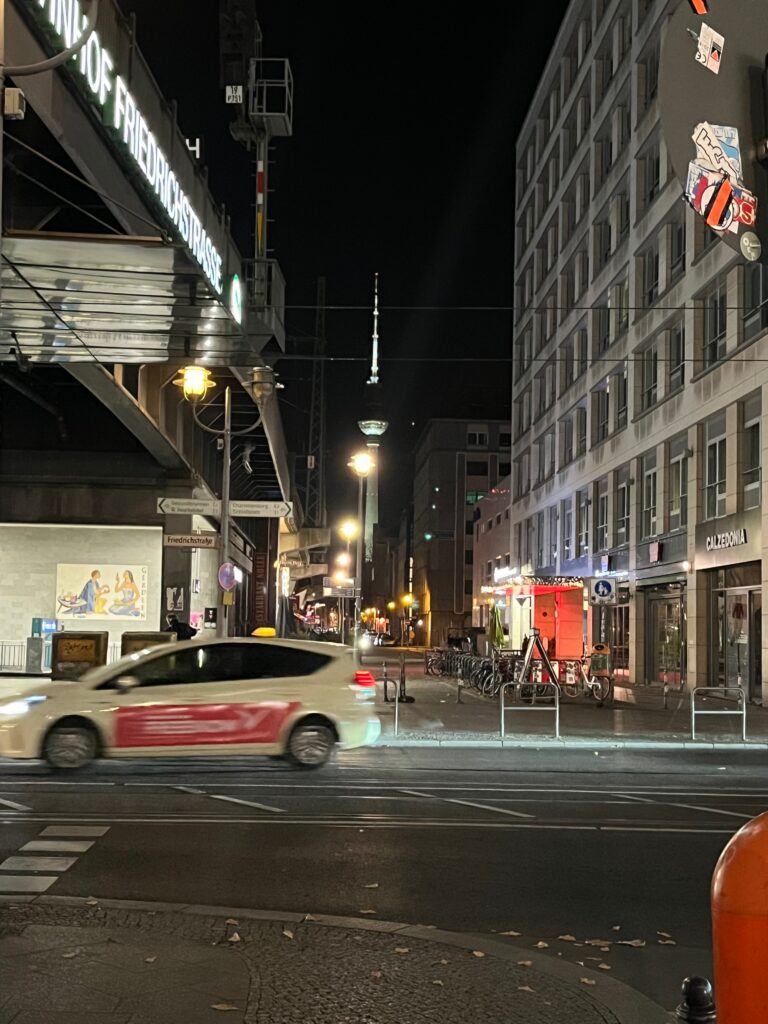
Getting to Berlin from Bordeaux is straightforward: a two-hour direct flight, with evening departures both ways. I booked Friday evening out and Monday evening back, giving me three days to explore without taking extra time off just for travel.
For this trip, I brought my Nikon FM2n, a Zeiss Distagon 21mm f/2.8, Zeiss Makro Planar 50mm f/2.0, my tripod and some discontinued Agfa Copex Rapid. The wide angle gave me room to capture the buildings along with the streets, trees, and people around them.
I arrived on Friday around 10 p.m. and reached the hotel around midnight, then checked in and went to bed.Over coffee the next morning, I made a rough plan: East Berlin on Saturday and West Berlin on Sunday. I’d already booked a visit to the Bundestag for Monday, leaving the rest of that day for anything I’d missed.
My first stop of the day was Museumsinsel, so I followed the Spree towards it, stopping along the way whenever something caught my eye. I walked towards the bridge and decide to cross it.
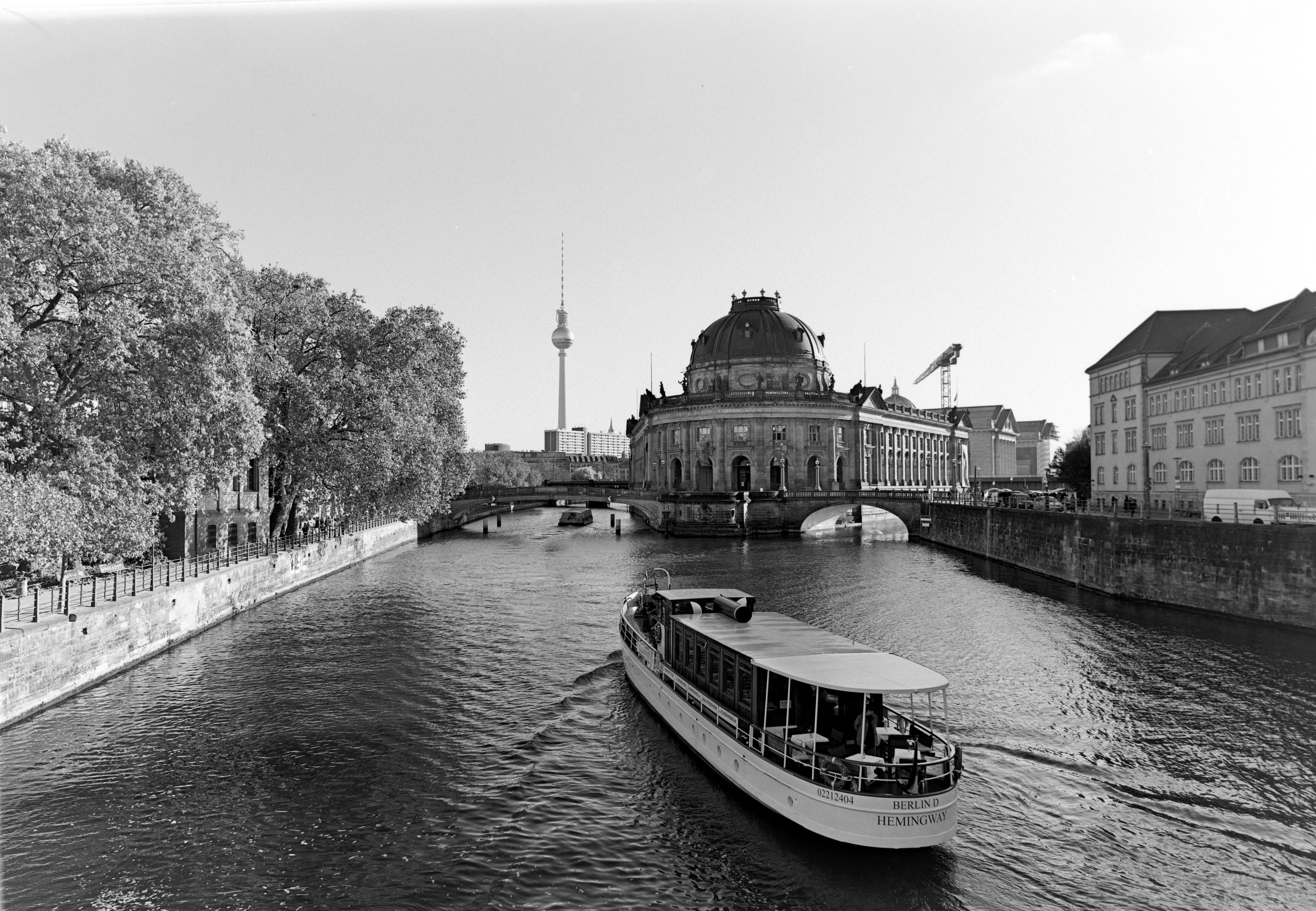
As I crossed the bridge, a boat was heading towards the Bode-Museum. I stopped to take a photograph as it passed below.
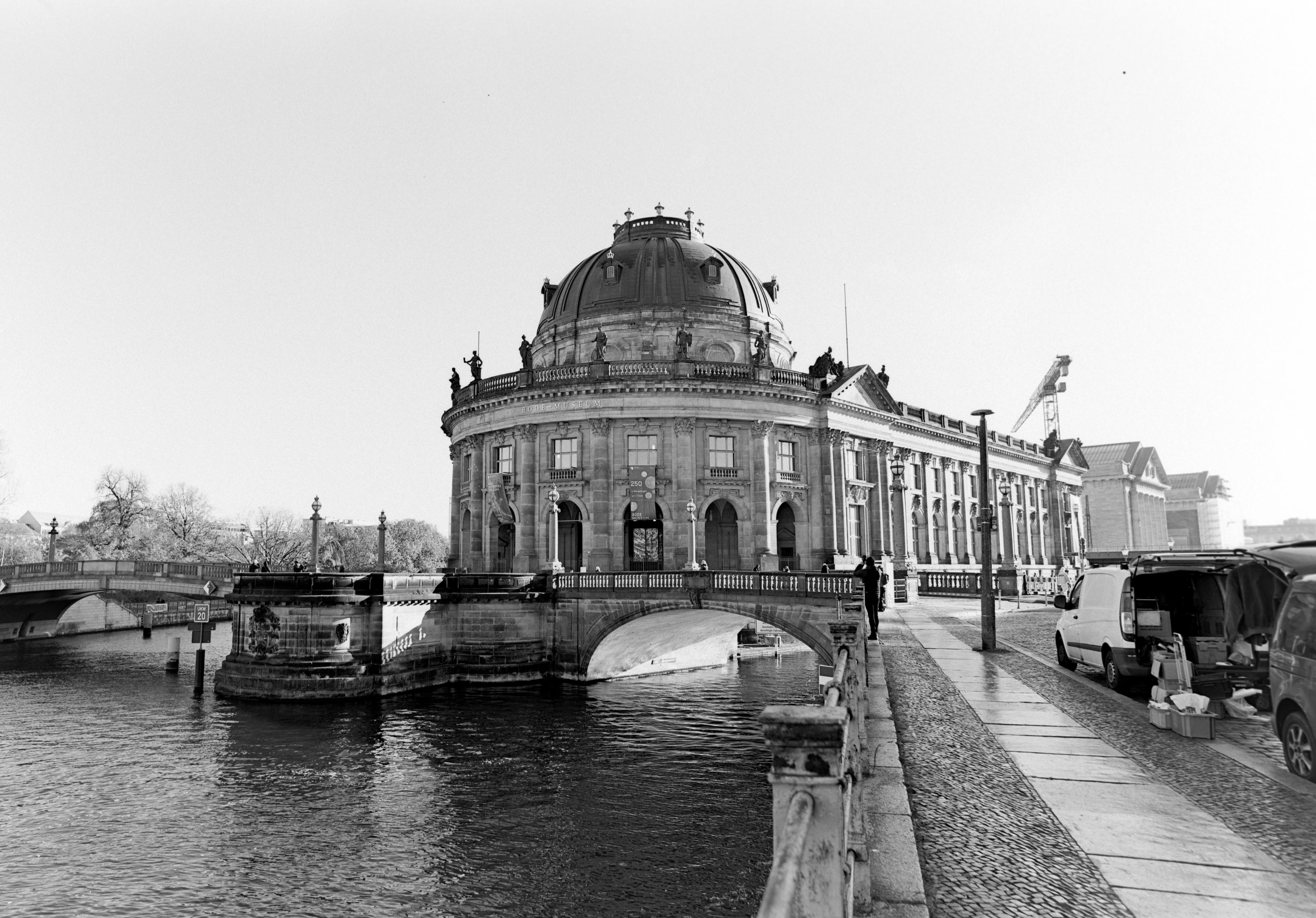
I continued down the street on the right and found that the Pergamonmuseum was closed for renovation. I continued walking down the street.
At the James-Simon-Galerie, people were gathered near the broad steps, enjoying the sunshine. I decided to save the museums for another visit and make the most of the light with my camera.
From there, I headed towards the Lustgarten, following the canal past the Altes Museum.
From the Lustgarten, I walked up to the Berliner Dom and pointed the camera upwards to take in the details of its façade. Then I crossed the Friedrichsbrücke. bridge and followed the opposite bank, where I could fit the whole cathedral into the frame.
I crossed the Friedrichsbrücke back onto Museumsinsel and wandered through the Kolonnadenhof, exploring the garden in front of the Alte Nationalgalerie.
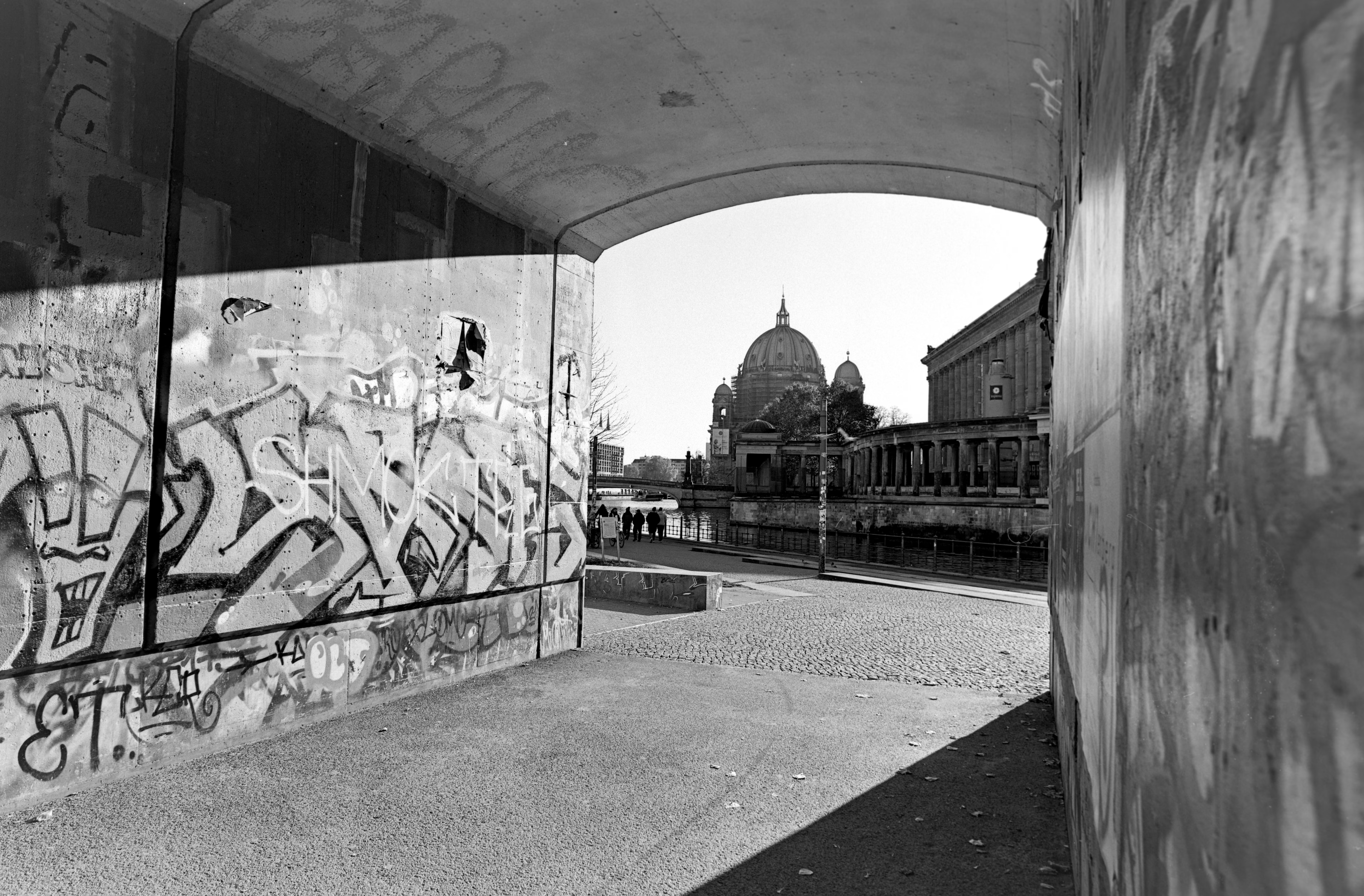
Beneath the railway bridge by James-Simon-Park, I stopped for another view towards Museumsinsel. The graffiti-covered walls framed the Berliner Dom in the distance.
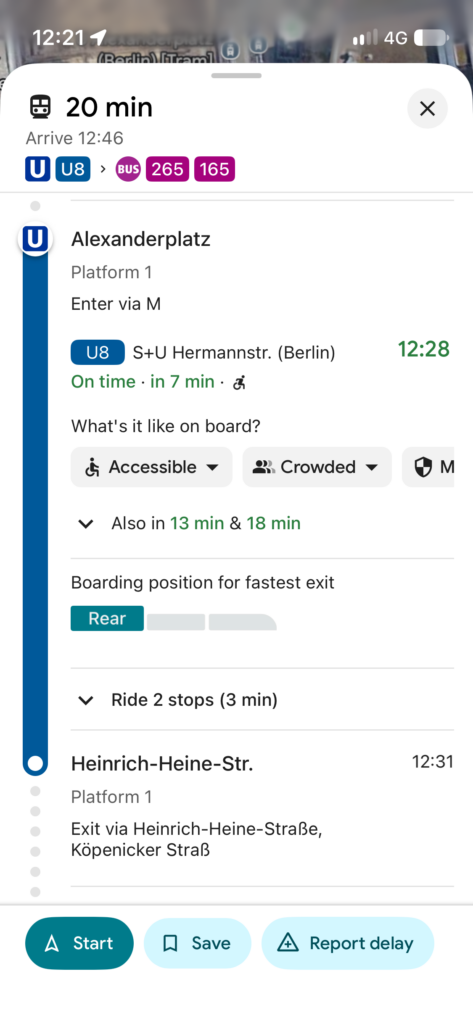
By then it was already 12:20, and I was starting to get hungry. After a morning spent walking around Museumsinsel and stopping for photographs, it felt like a good time to take a break and find some lunch.
I headed over to nearby Alexanderplatz and caught the U8 to Heinrich-Heine-Straße. From there, I changed to the 165 bus for the rest of the journey to Markthalle Neun, ready to see what there was to eat.
When I arrived, I stopped to photograph the entrance to Markthalle Neun before heading inside to find some lunch.
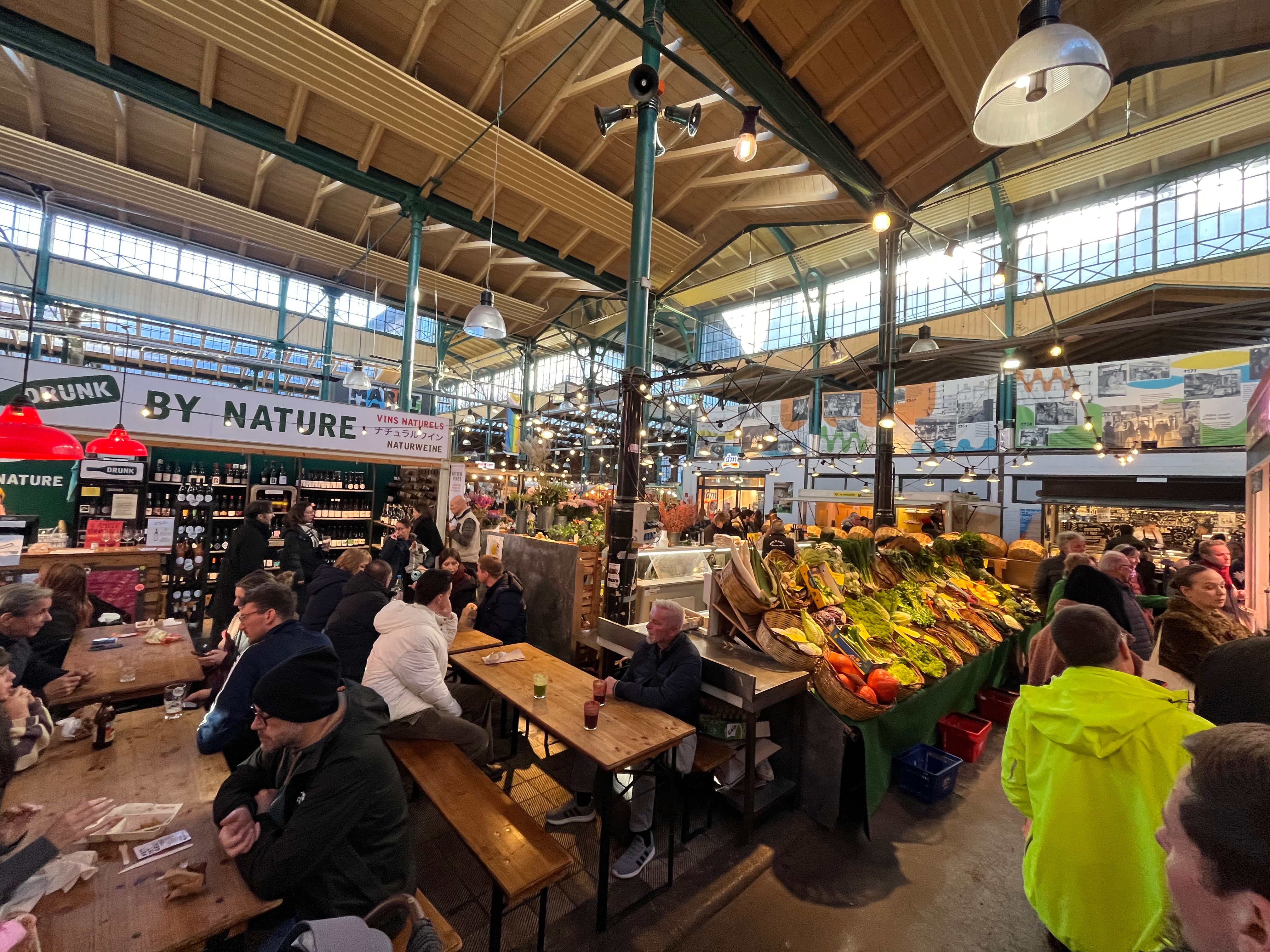
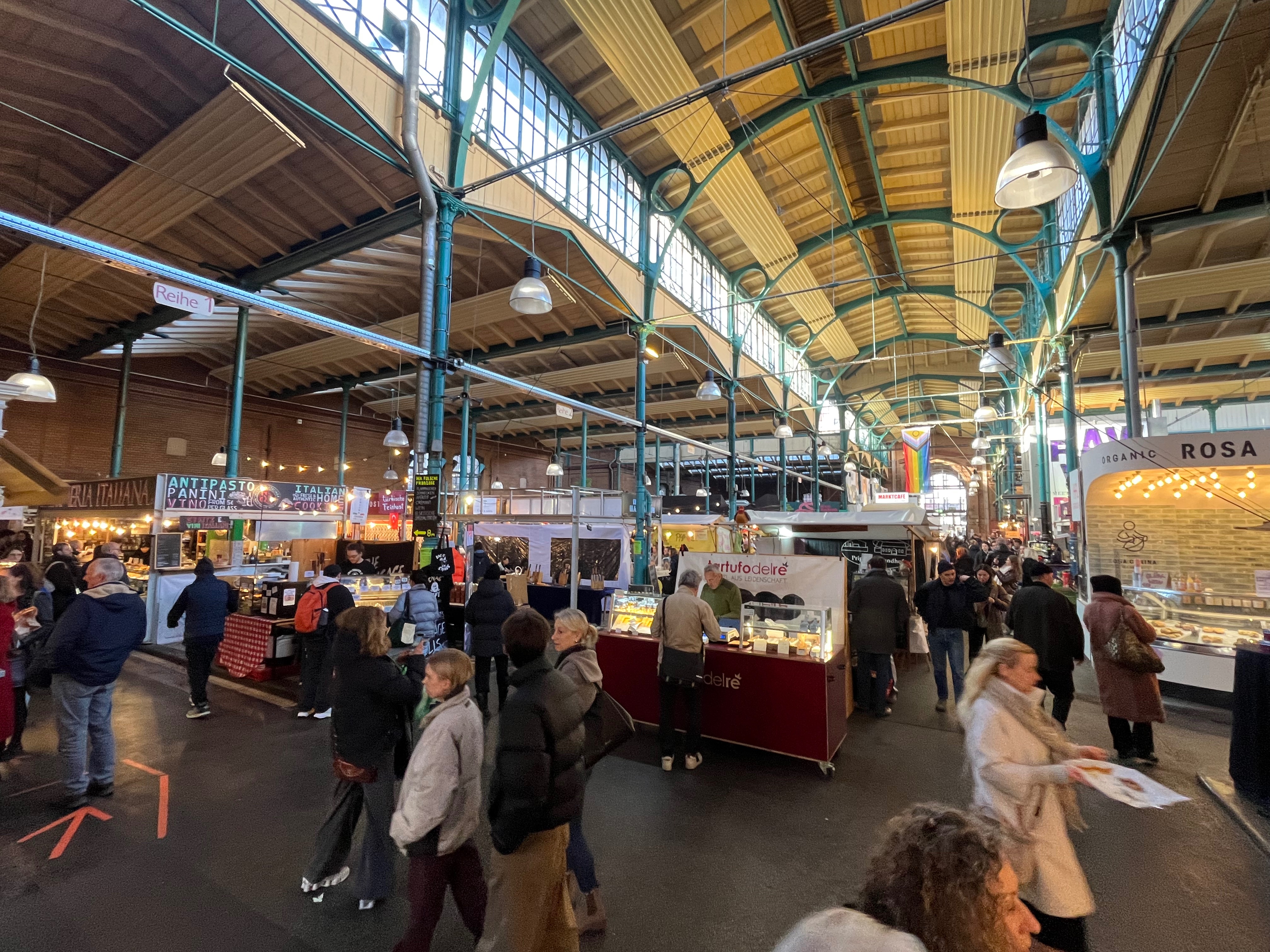
Inside, the hall was busy with people browsing the stalls and sharing lunch at long wooden tables. Green metal columns supported a high roof, with daylight coming through the windows above. Food counters, wine stalls, and displays of fresh vegetables filled the space, leaving plenty to choose from for lunch.
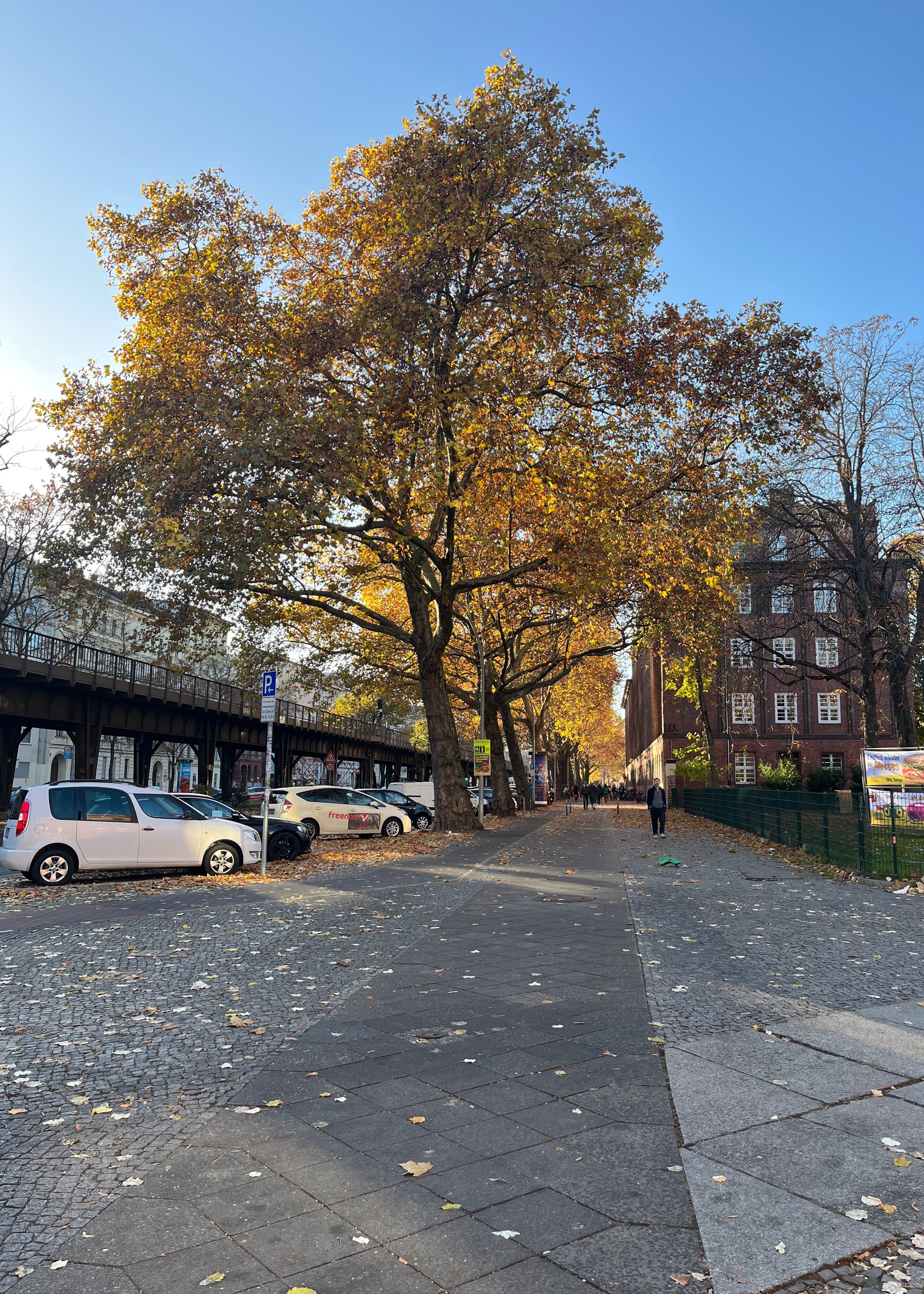
After a really tasty burger at Markthalle Neun, I set off on foot towards the Berlin Wall. The walk took me along tree-lined streets beside the elevated railway, then across the Oberbaumbrücke. On the other side, I reached the East Side Gallery and walked along the murals, stopping to take photographs as I went.
After walking along the Wall, I decided to head over to the Soviet War Memorial.
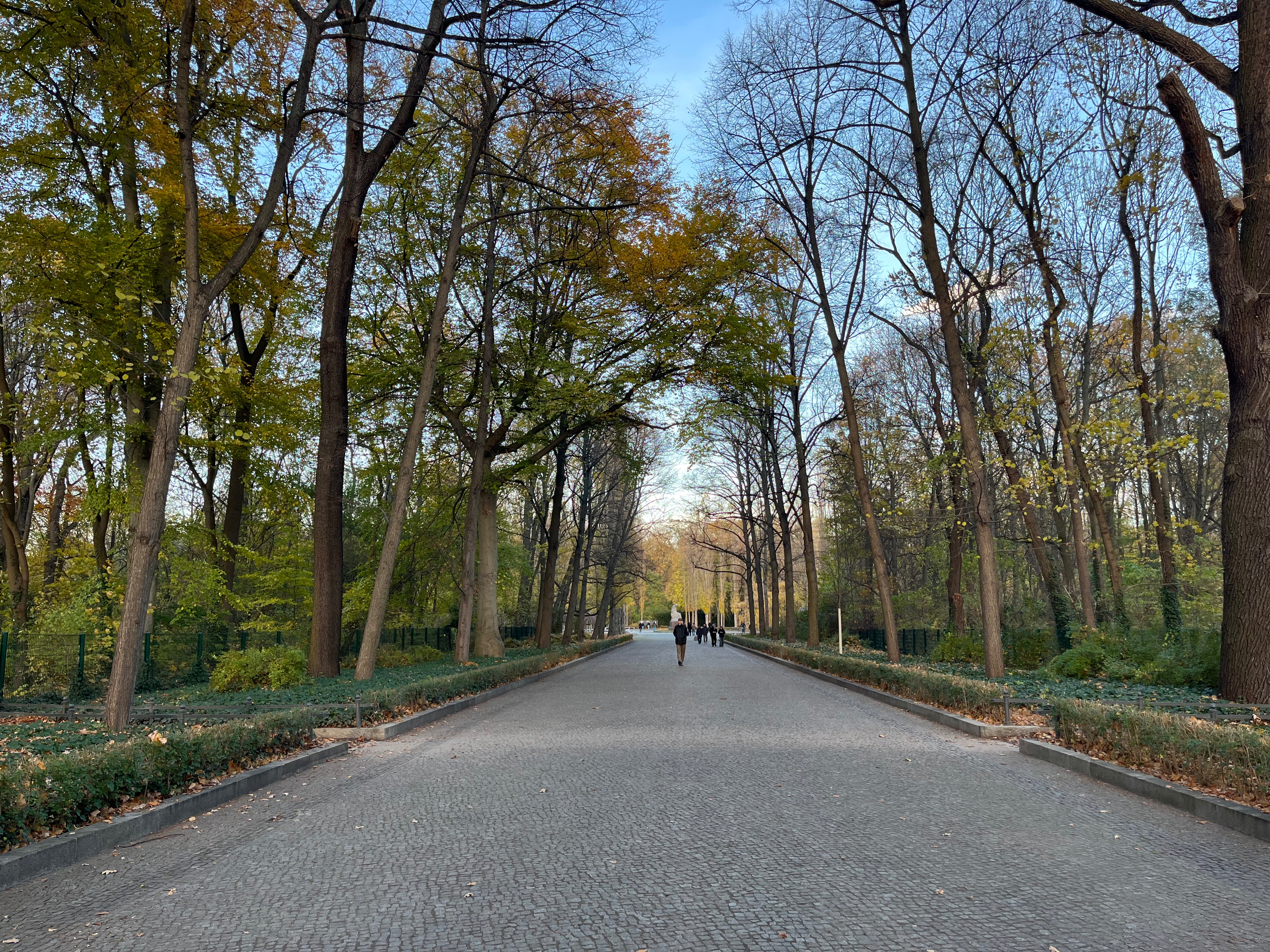
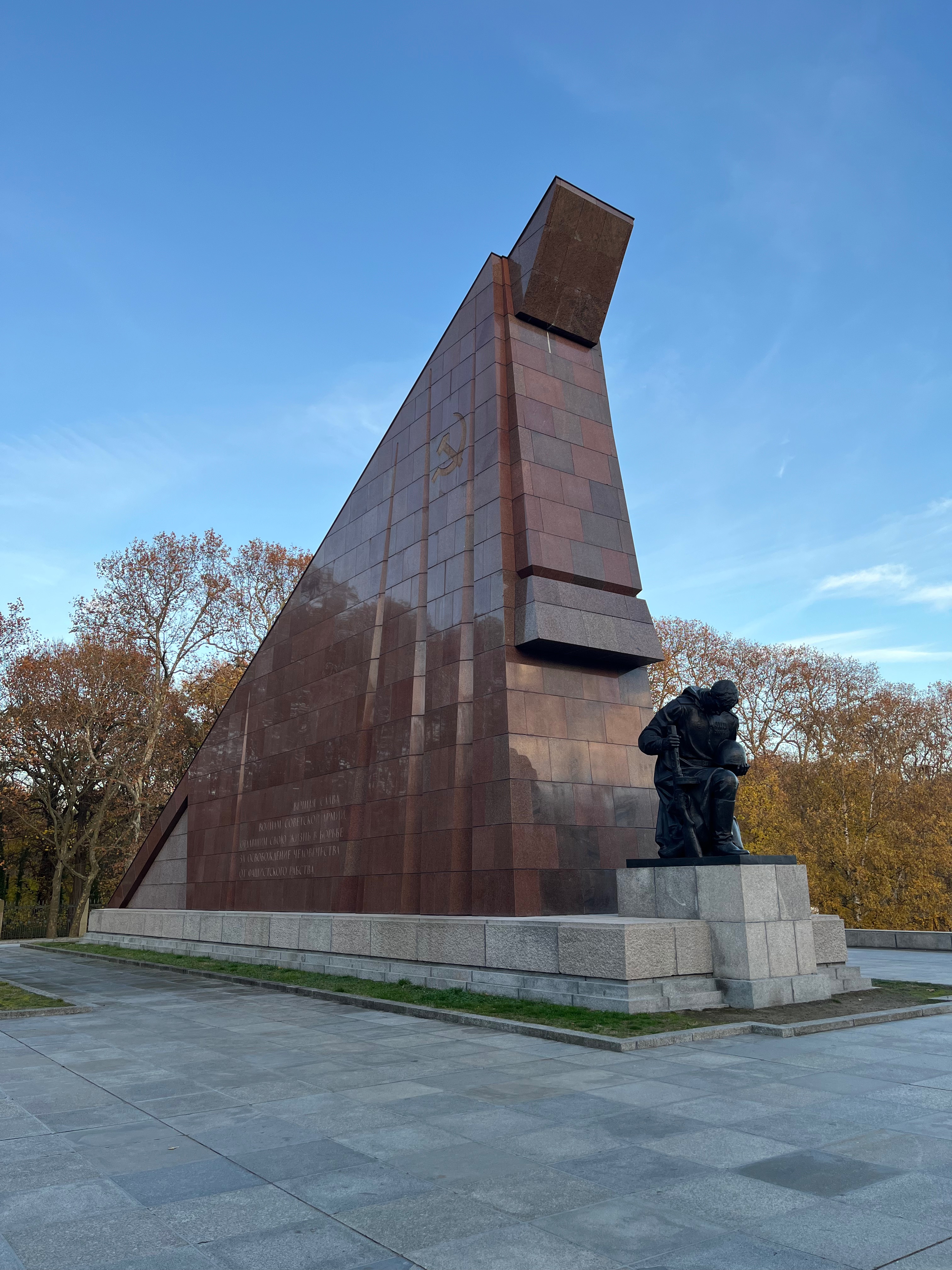
Two huge triangular structures mark the entrance to the main memorial. Carved from red granite, they represent lowered Soviet flags, with a kneeling soldier beside each one.
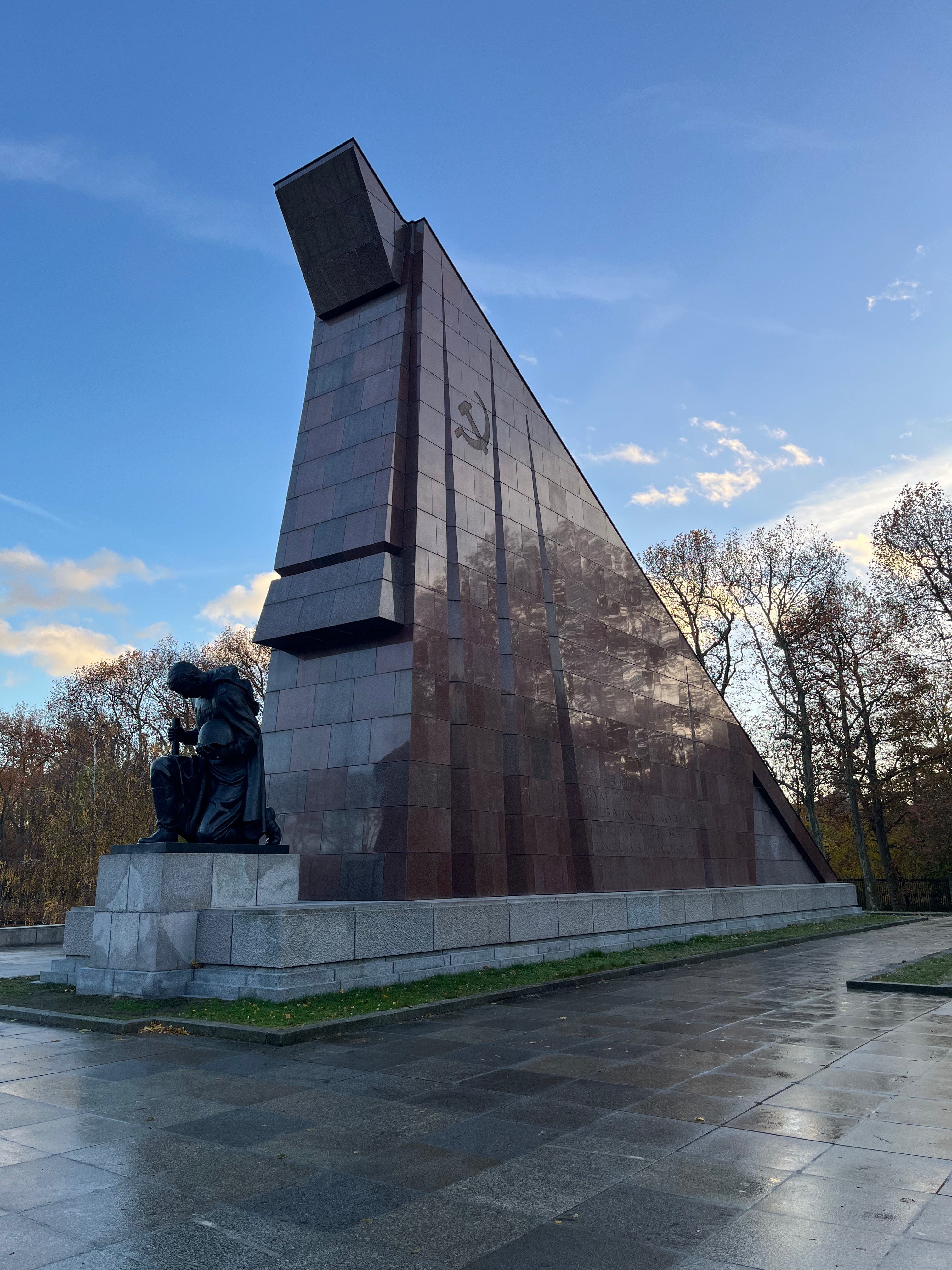
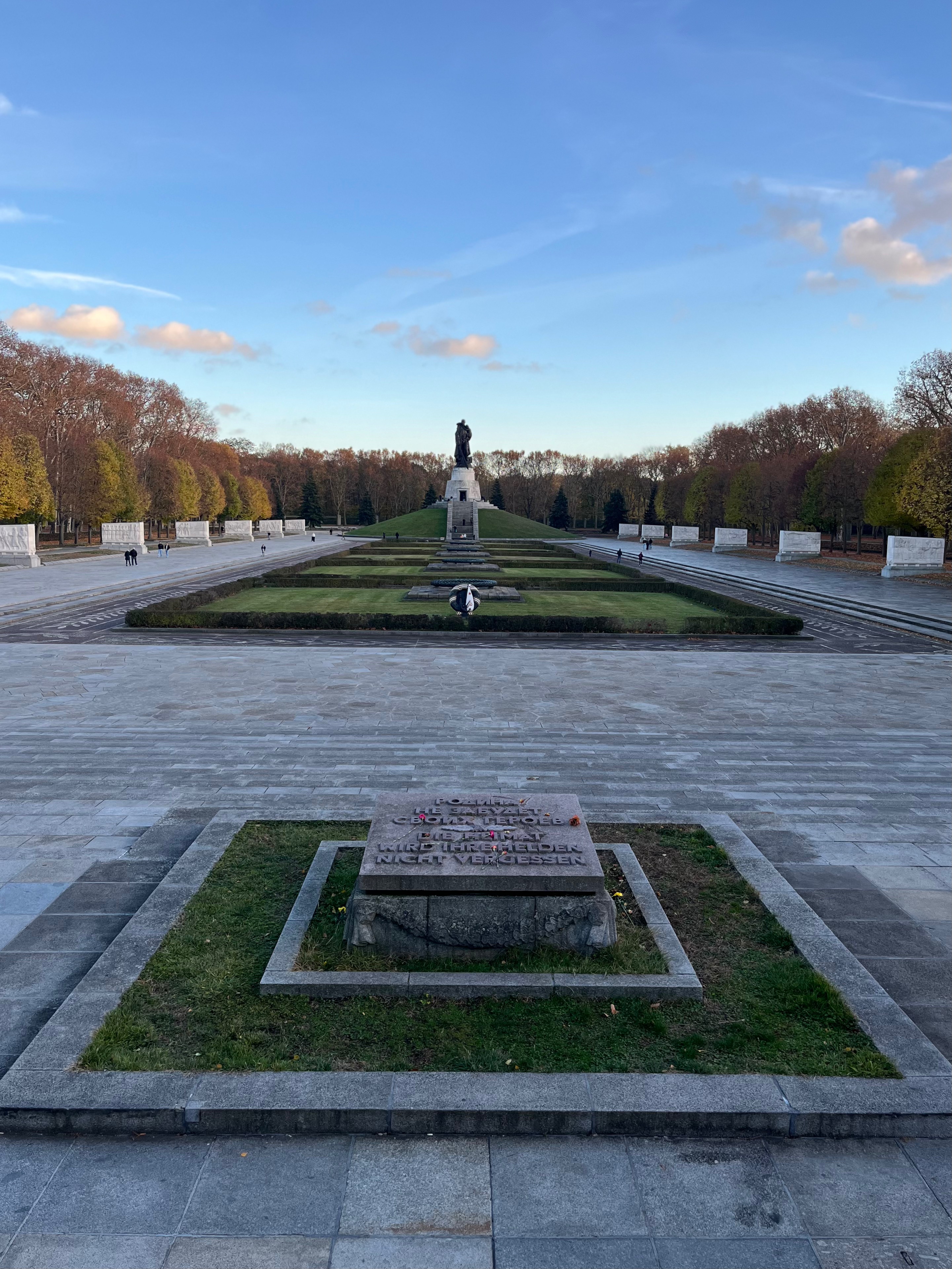
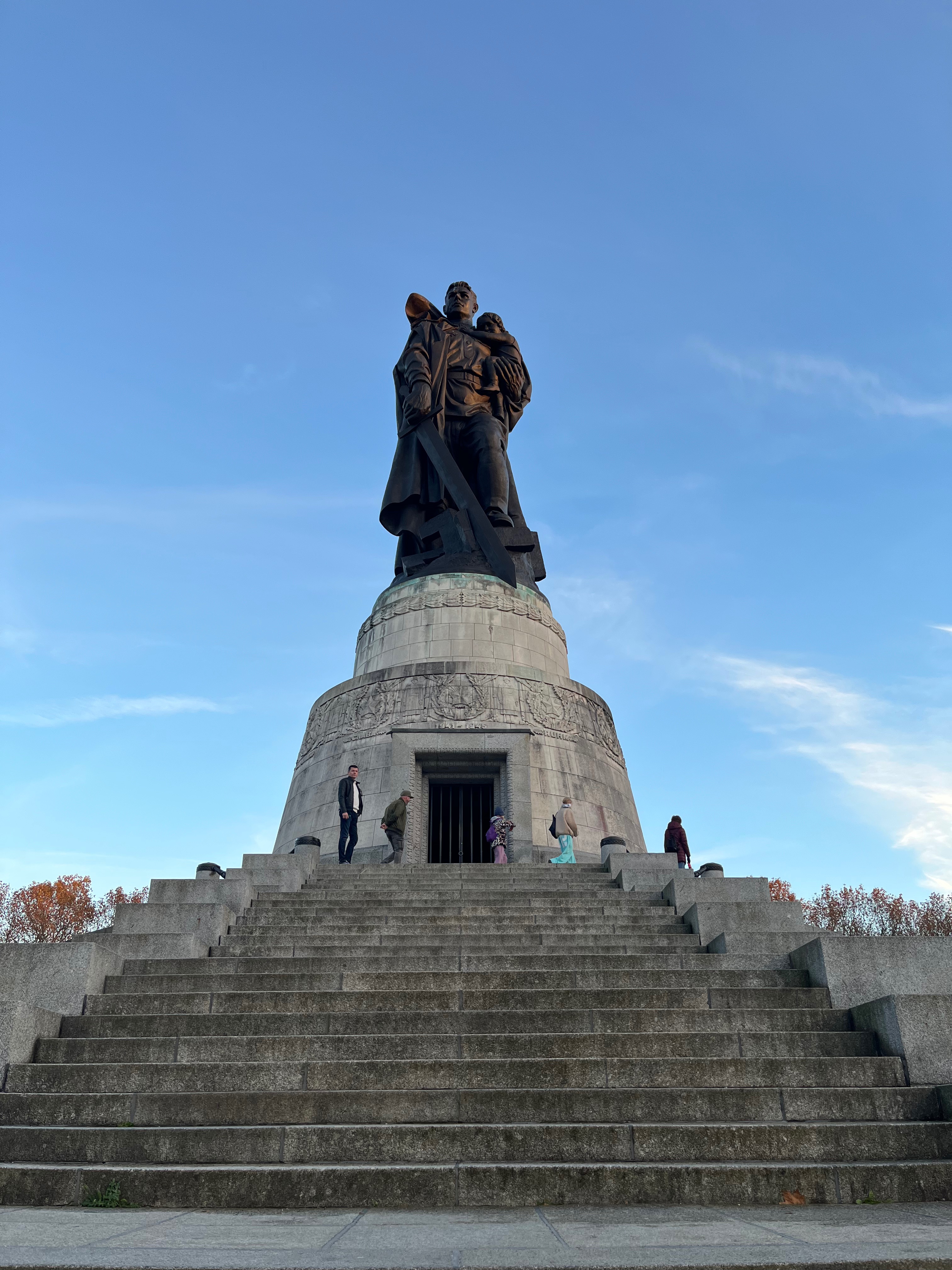
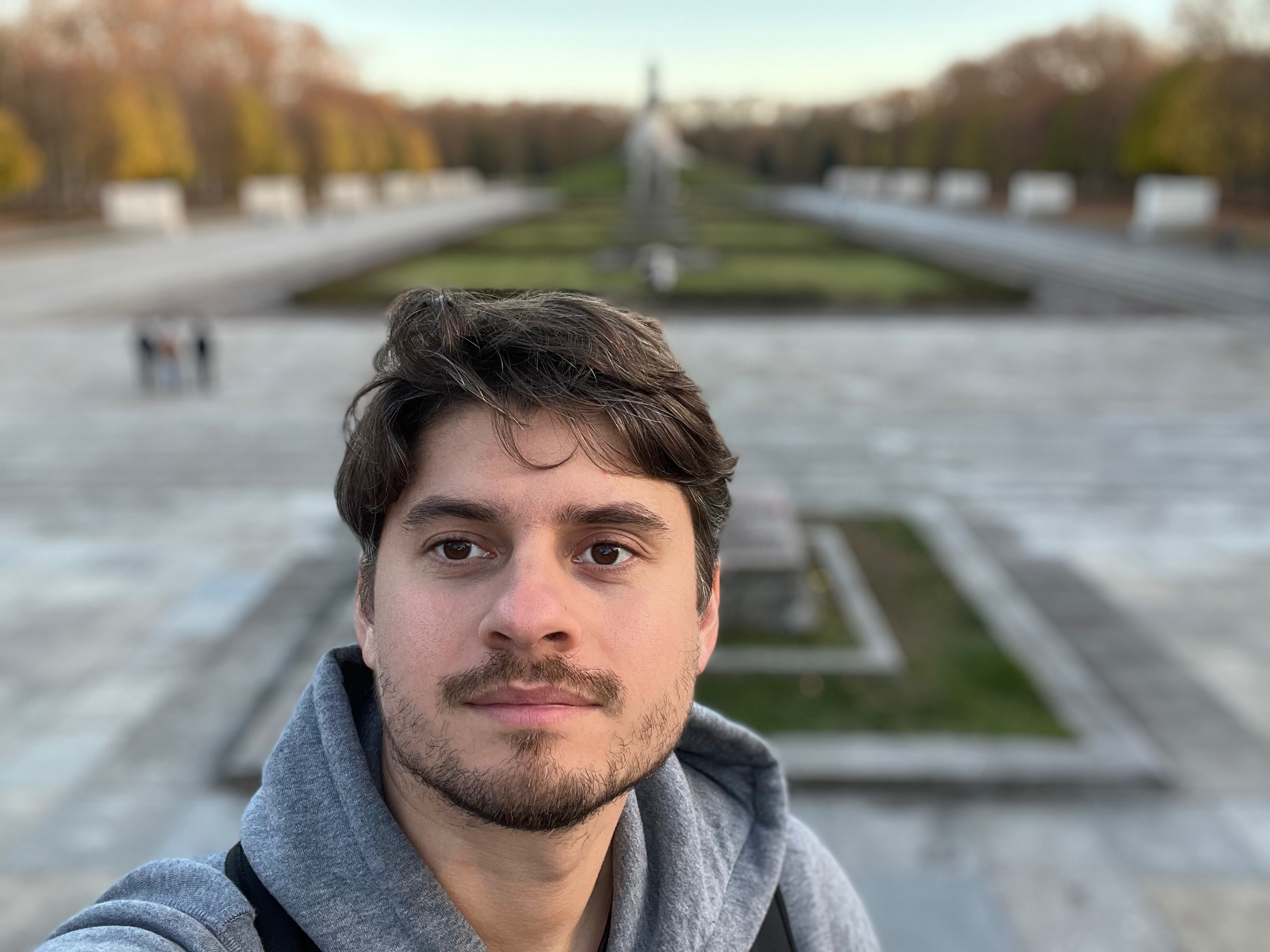
A rare moment on the other side of the camera, in front of the main memorial.
After dinner at a traditional German restaurant in Kreuzberg, I finished the evening at a language meetup, a chance to put my German to use after a day spent mostly behind the camera. Between the walking, photography, and conversations, I’d packed plenty into my first full day in Berlin.
On Sunday morning, I headed out to explore more of Berlin, starting along Unter den Linden. I stopped beside the statue of Frederick the Great to photograph the view down the boulevard, with the State Opera across the street.
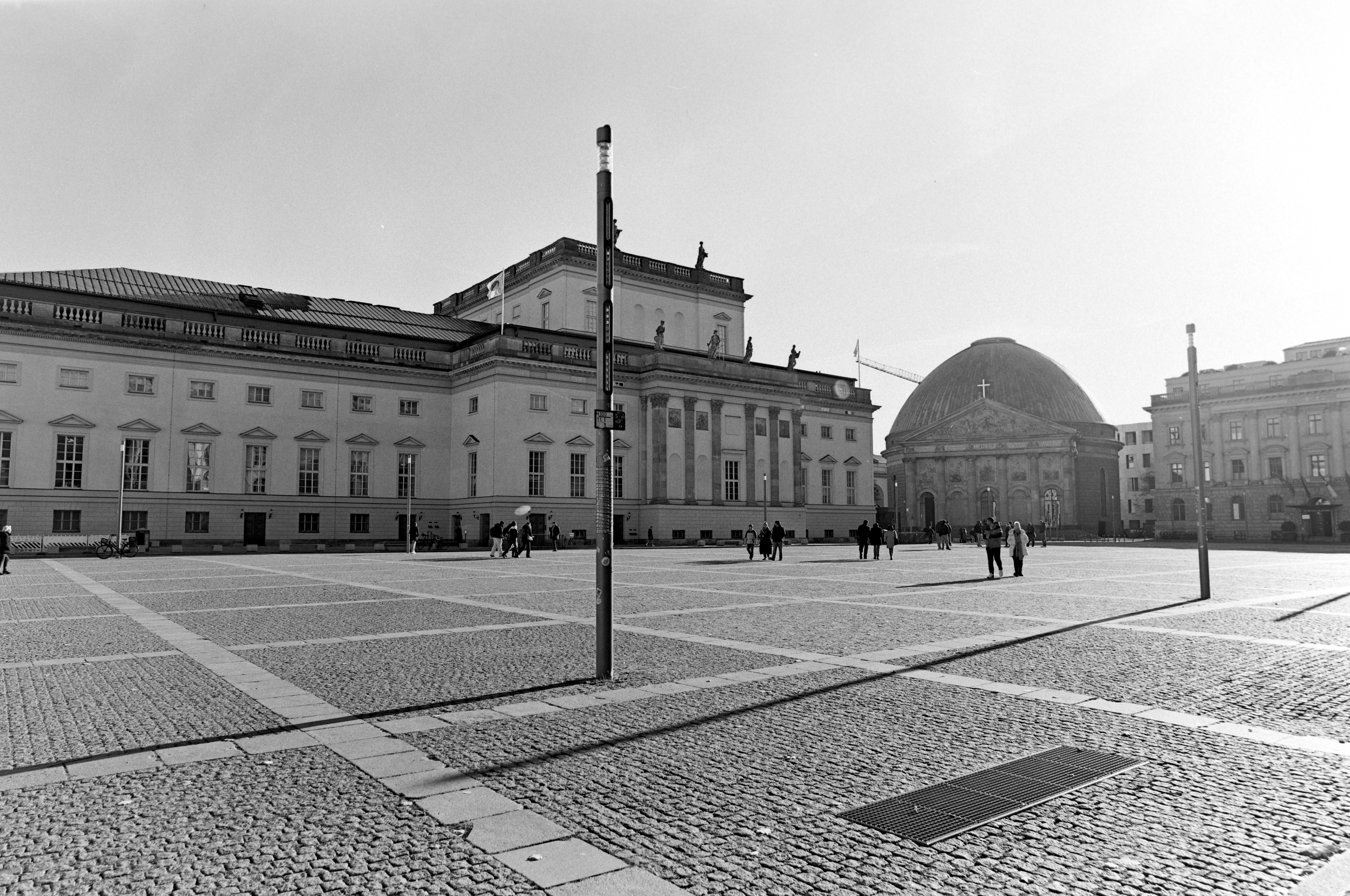
I carried on down Unter den Linden and turned into Bebelplatz. Just behind the State Opera was St. Hedwig’s Cathedral, with its broad dome and gold lettering above the entrance.
From Bebelplatz, I walked over to Gendarmenmarkt. They were setting up the Christmas market, so the square was too busy for me to get a clear shot of the Konzerthaus from the front. I did manage to get one looking up at the patterned ceiling of the portico.
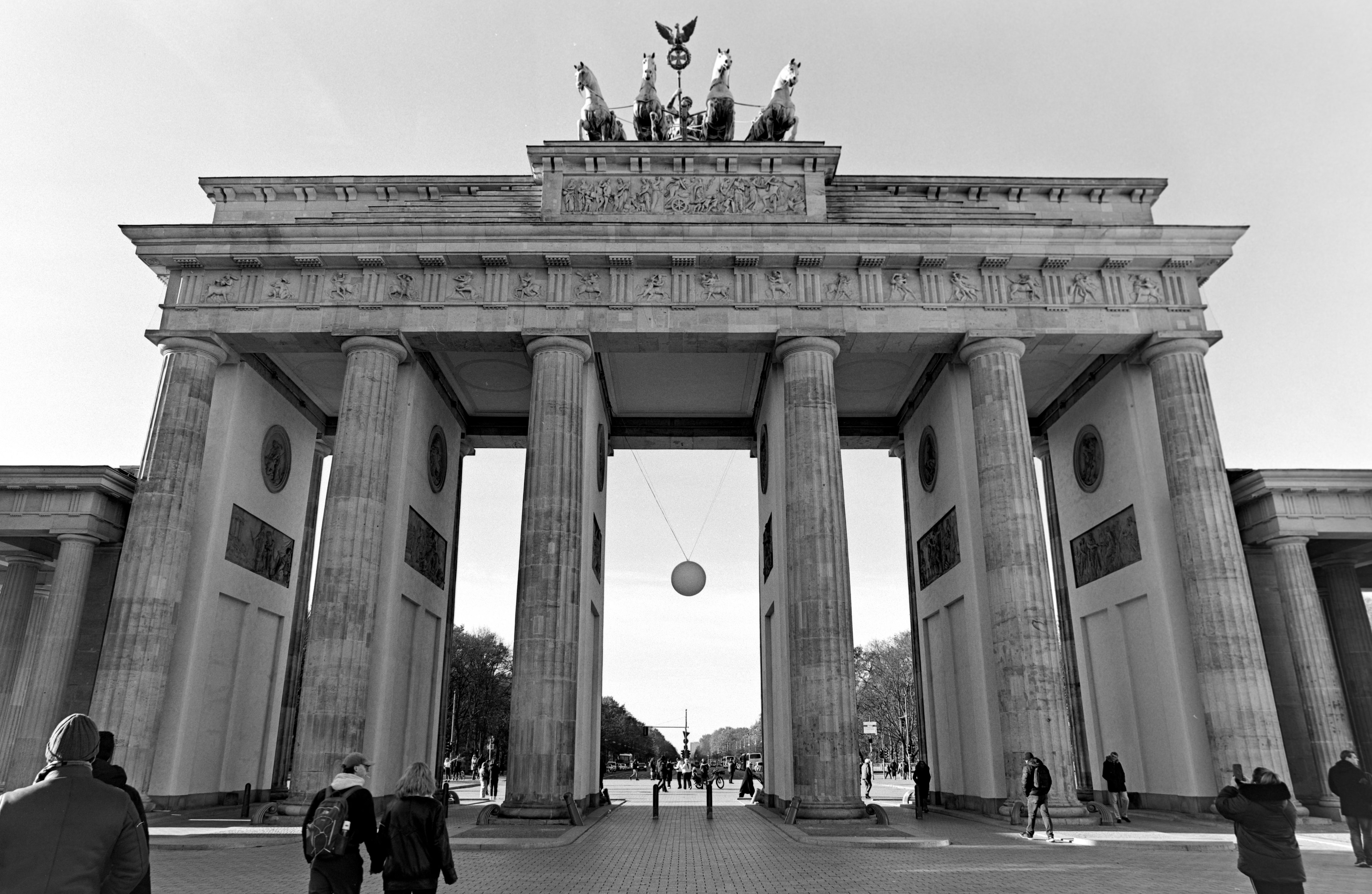
From the Französischer Dom, I walked to the Brandenburg Gate. A short walk south brought me to the Memorial to the Murdered Jews of Europe. Rows of grey concrete blocks of varying heights fill the site, with narrow paths running between them.
From the memorial, I headed into the Tiergarten and made my way west towards Charlottenburg Palace.
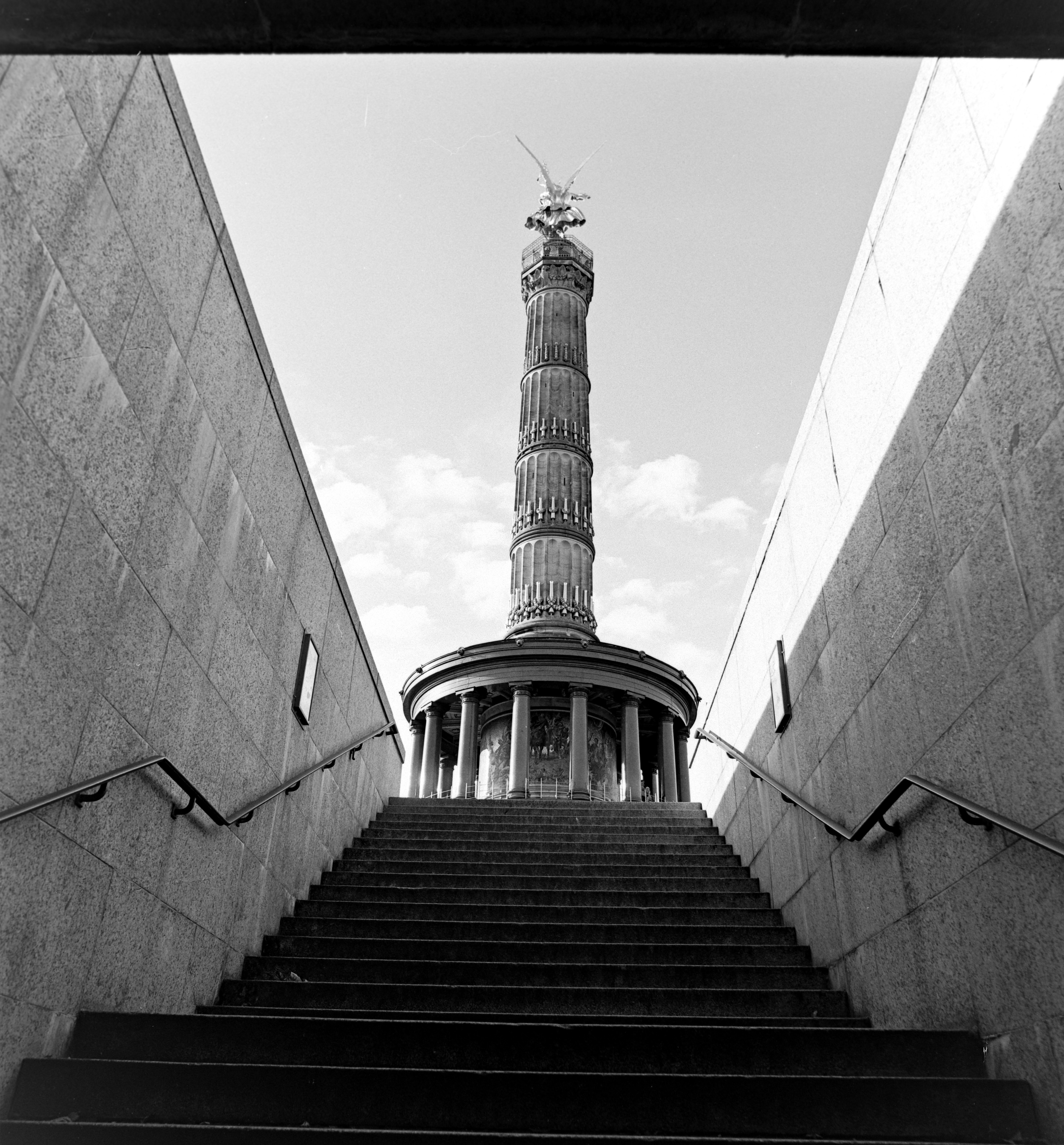
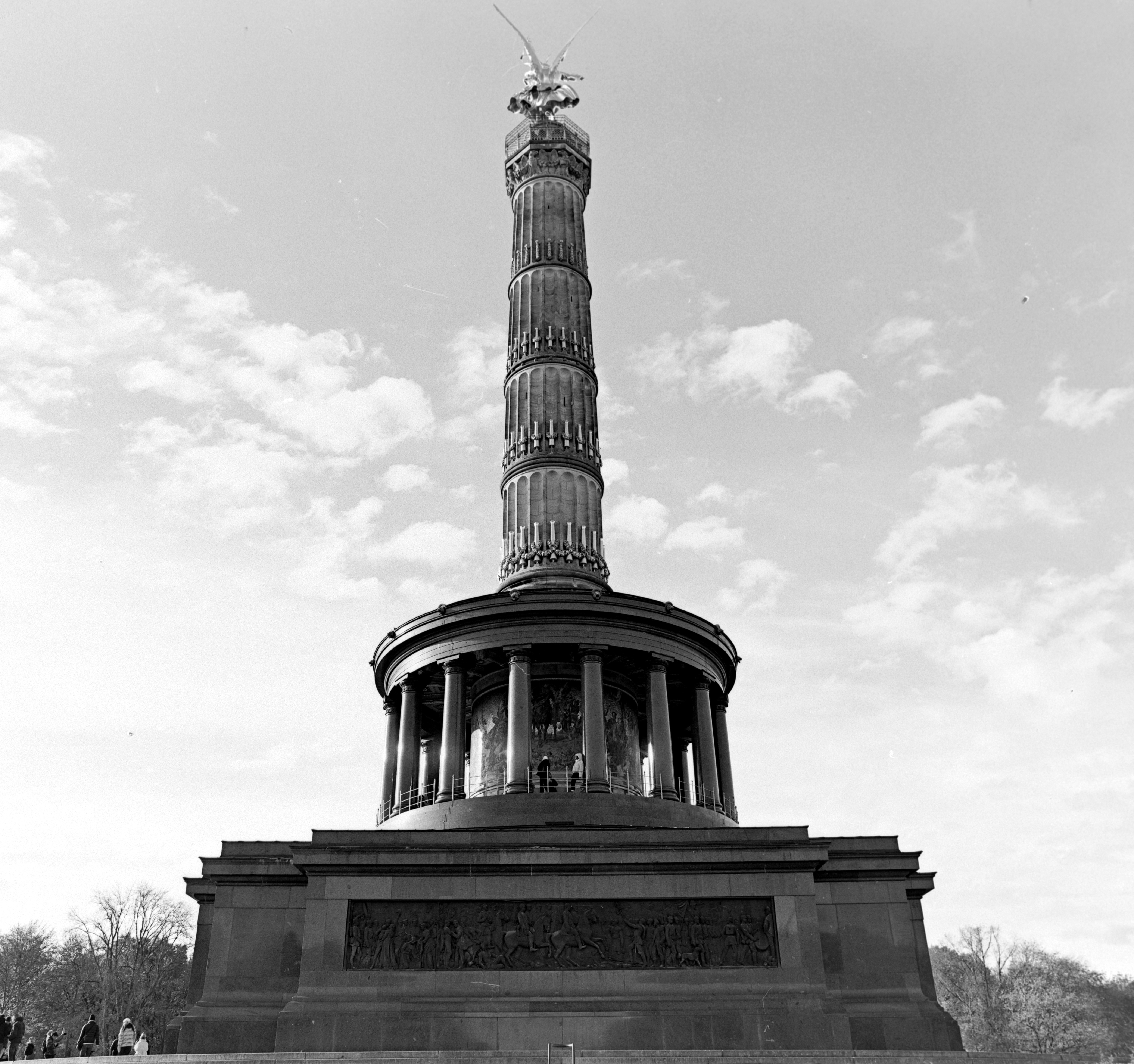
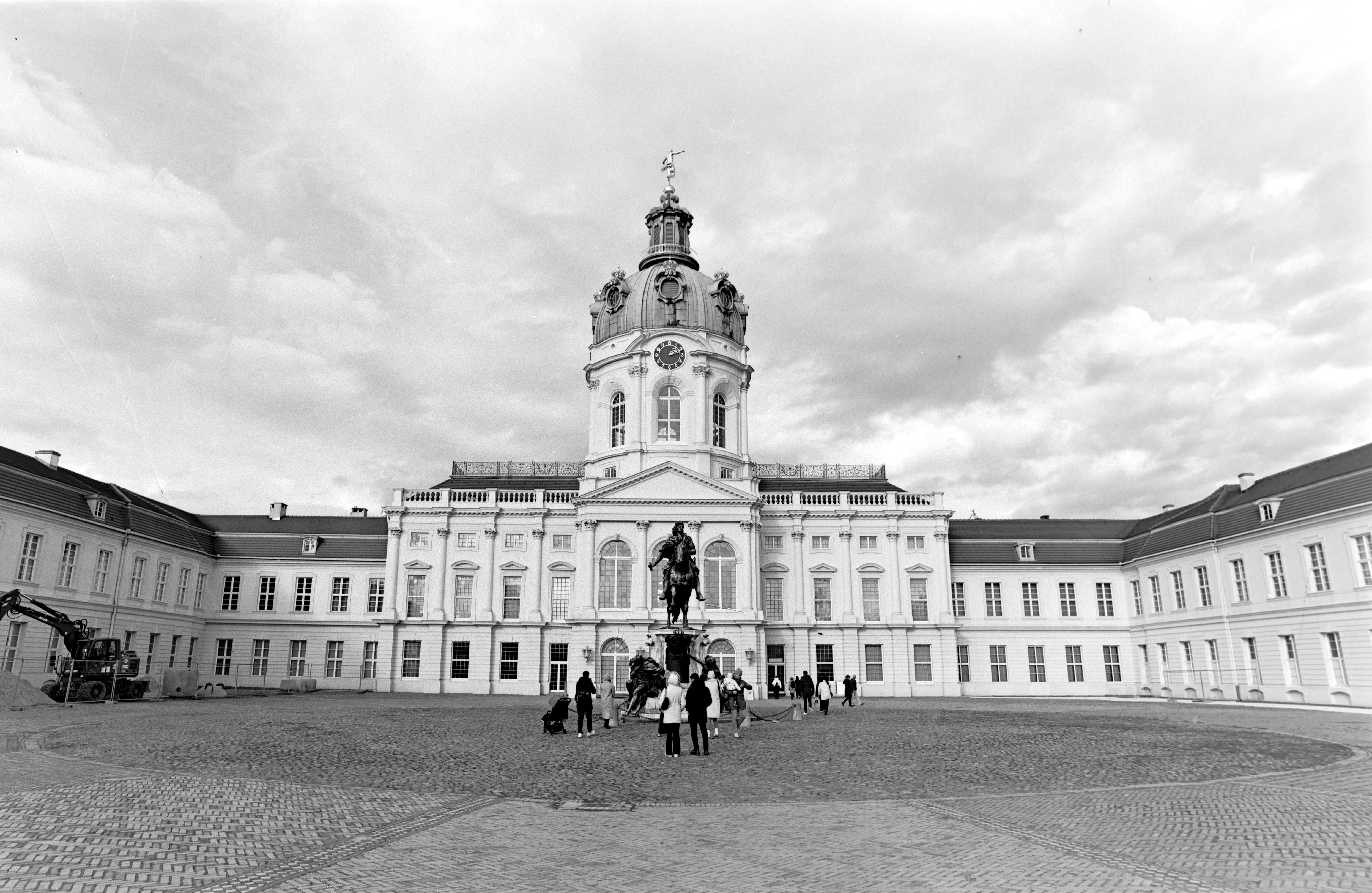
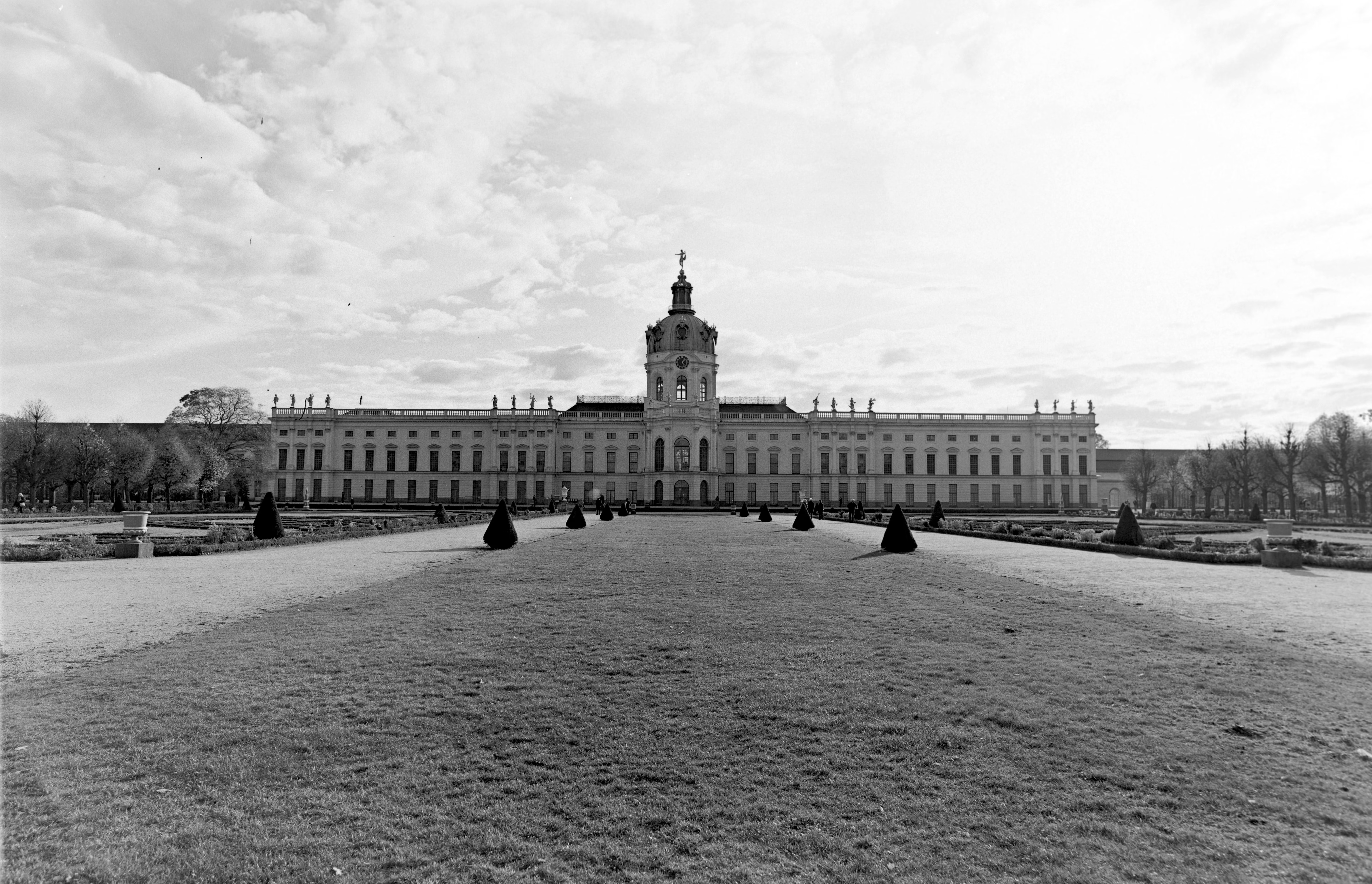
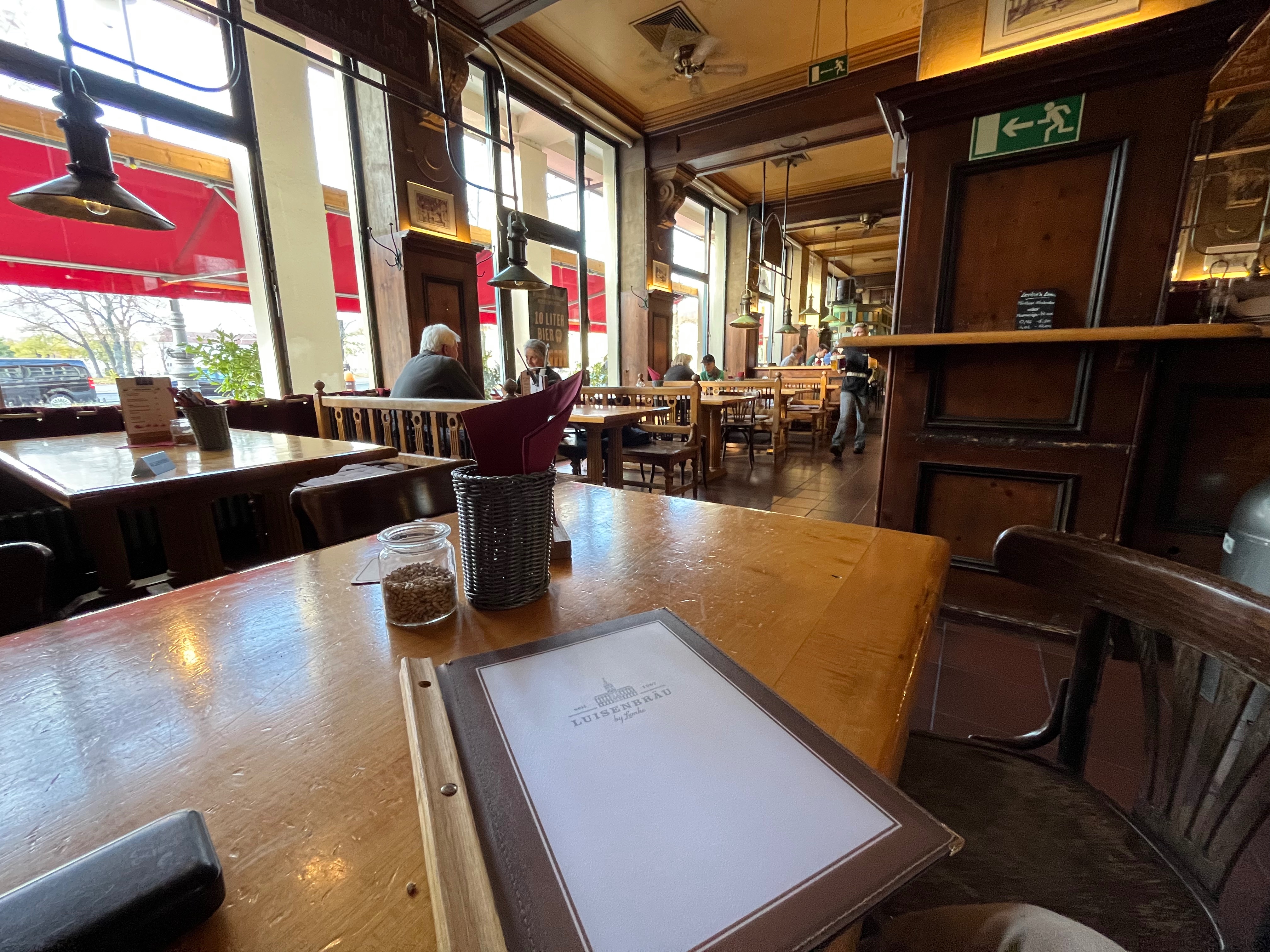
After walking around the grounds of Charlottenburg Palace, I crossed the street to Luisenbräu for a bite to eat. The food was delicious.
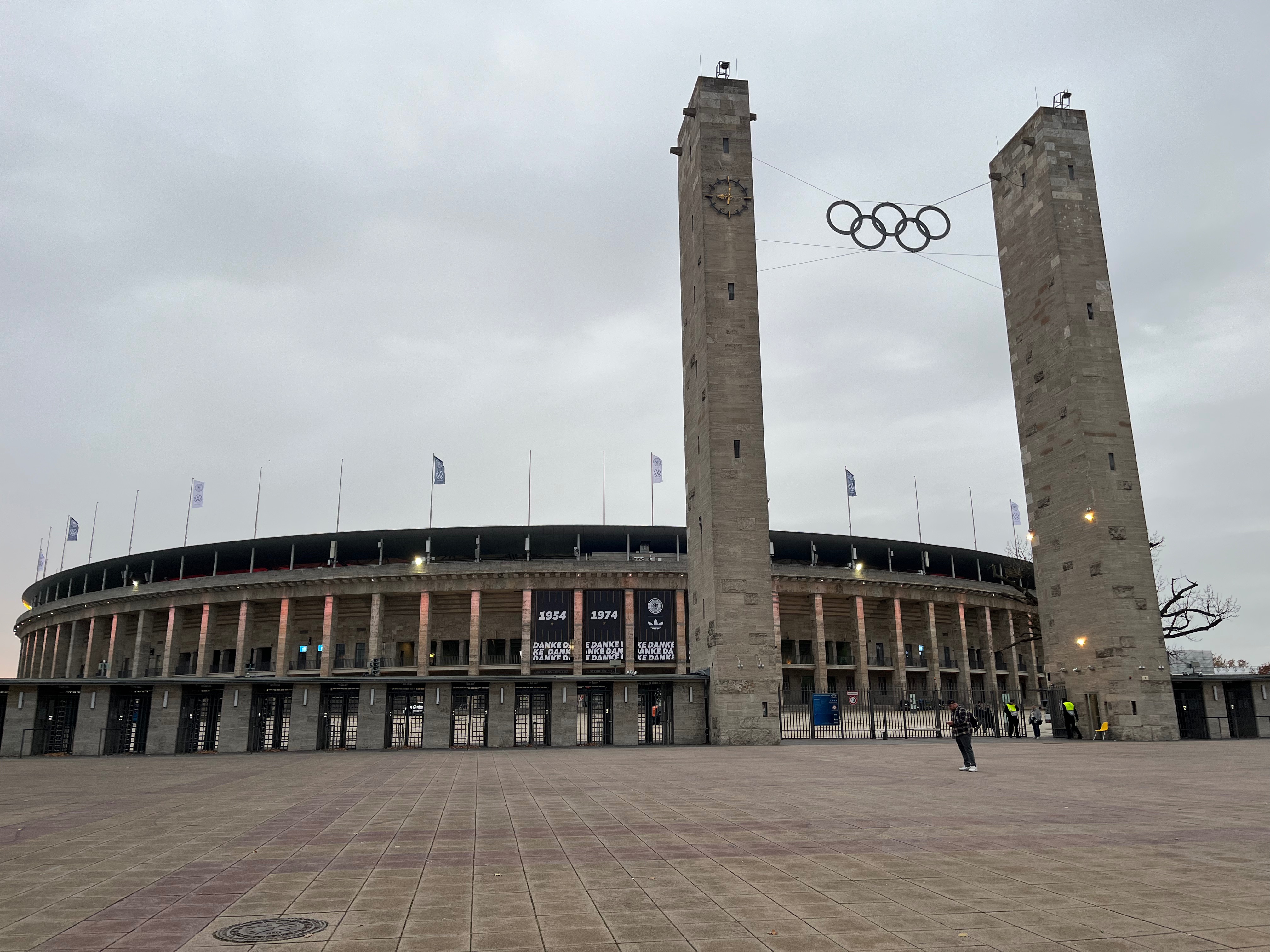
After eating at Luisenbräu, I headed to the Olympiastadion. It was built for the 1936 Summer Olympics, which the Nazi regime used to present a polished image of Germany abroad while concealing its persecution of Jews and Roma. It was also here that Jesse Owens won four gold medals.
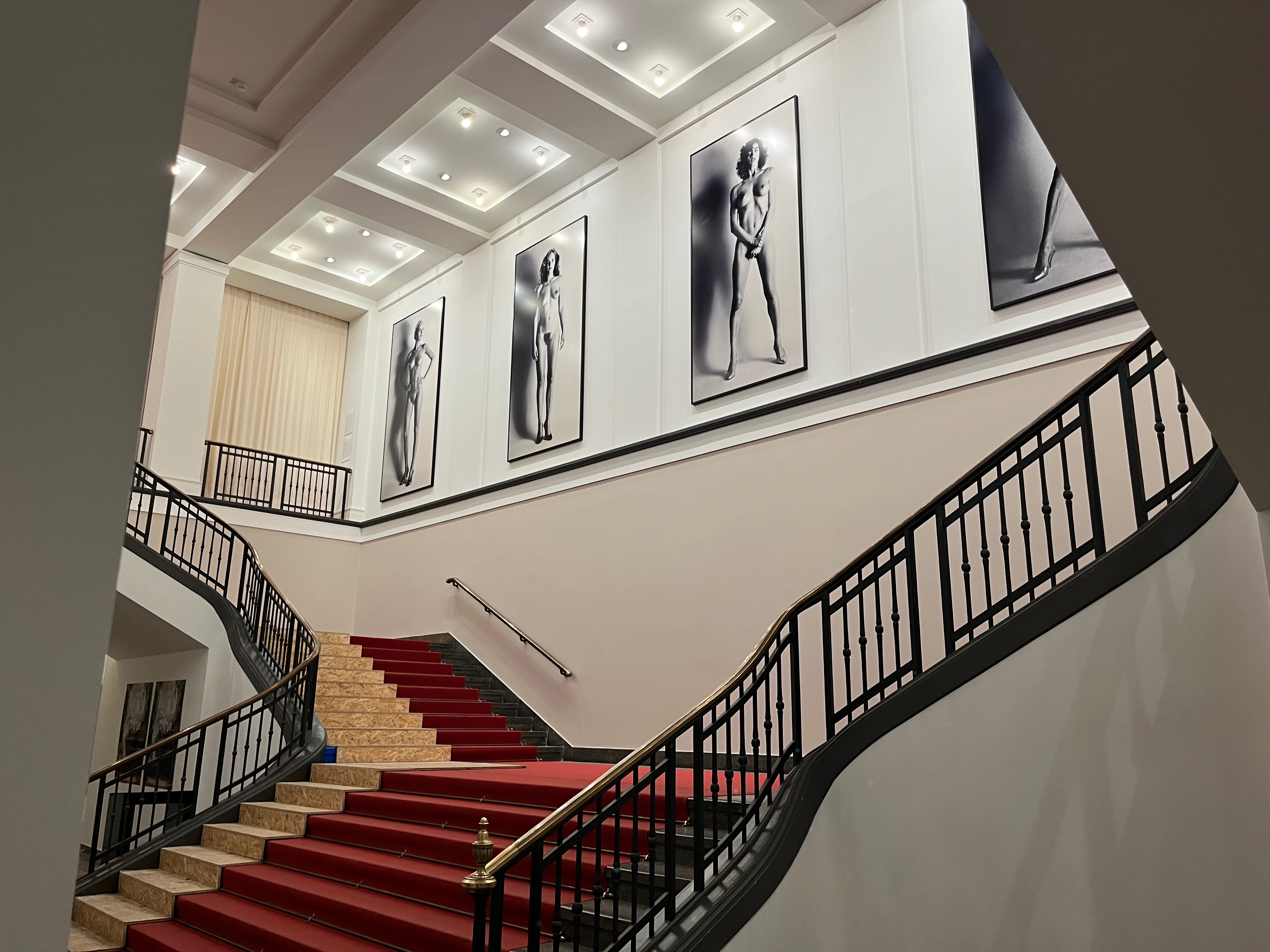
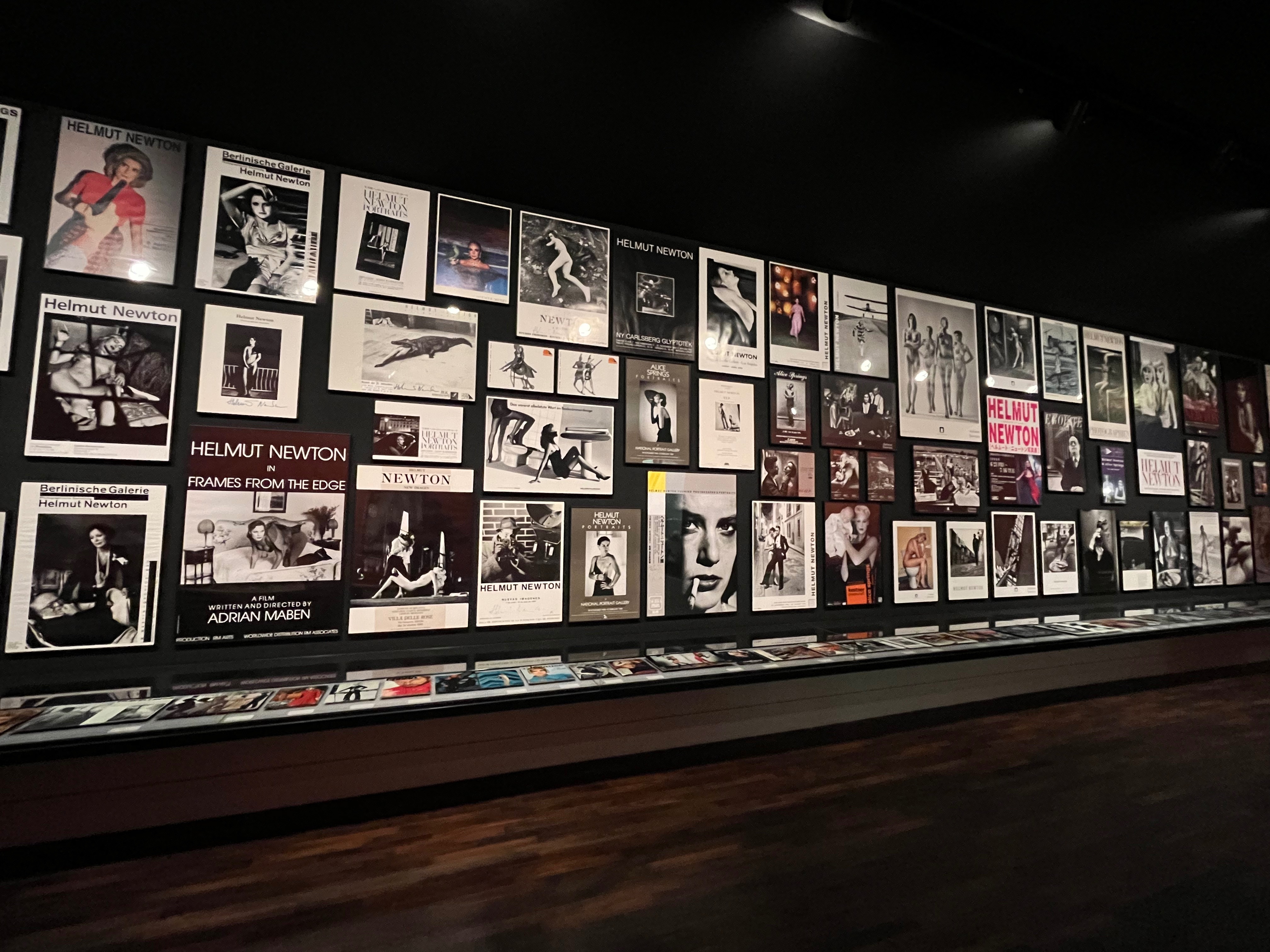
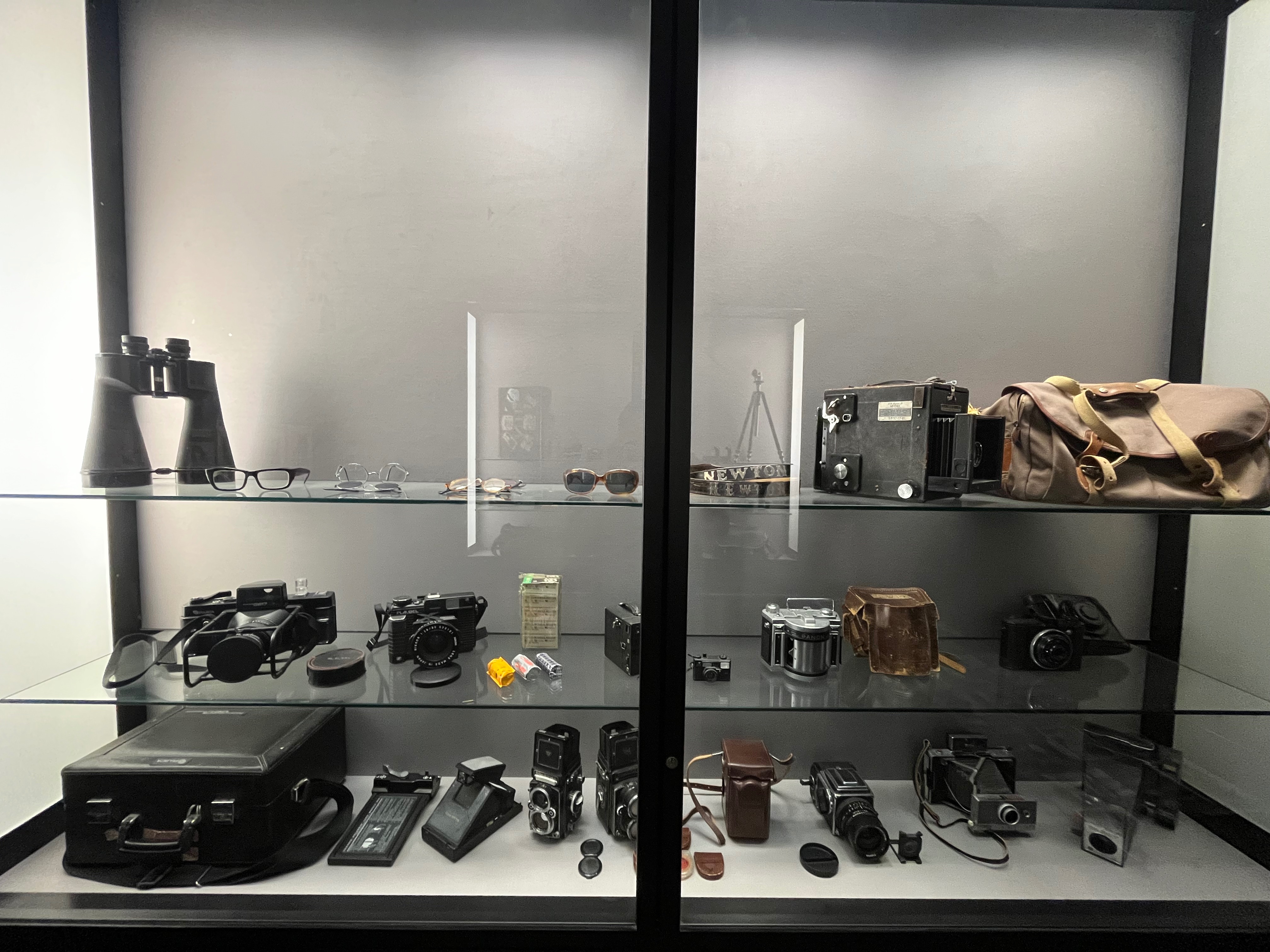
From the Olympiastadion, I headed to the Museum für Fotografie to see the Helmut Newton Foundation’s exhibitions. Afterwards, I walked over to C/O Berlin for more photography.
After C/O Berlin, I headed to Zoo Palast to see The Odyssey in 70mm. I’d been saving it for the big screen, and I couldn’t catch it on 70mm film back home in Bordeaux. If you get the chance to see it that way, I’d highly recommend it.
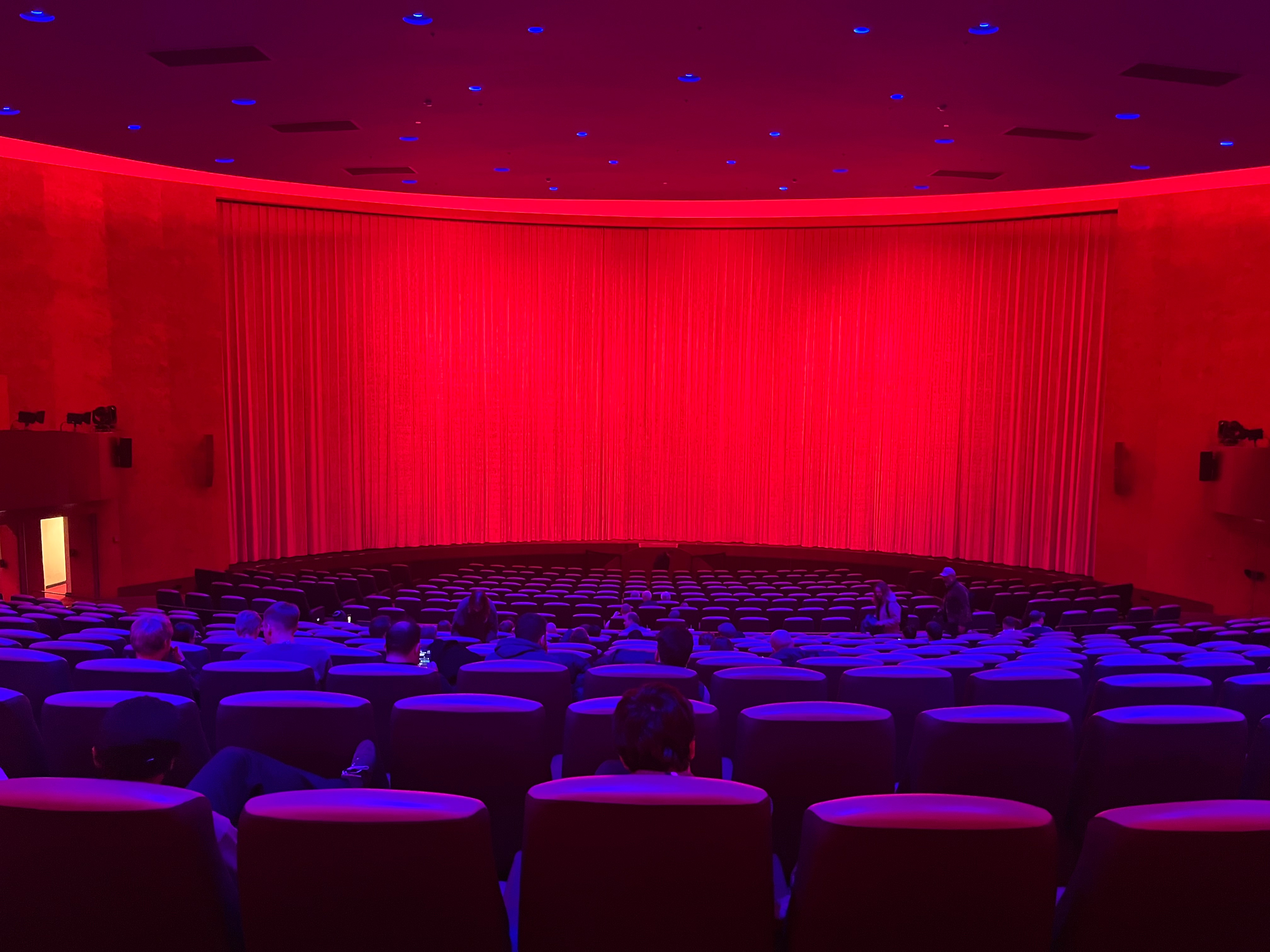
Zoo Palast is easily the most over-the-top cinema I’ve ever been to. Before the film even started, there was a light show with the lights flickering on and off in different colours. Then they turned on an actual waterfall right in front of the screen.
After the film, I went back to the hotel and called it a night. On Monday morning, I headed to the Reichstag building for my 9:30 visit to the Bundestag.
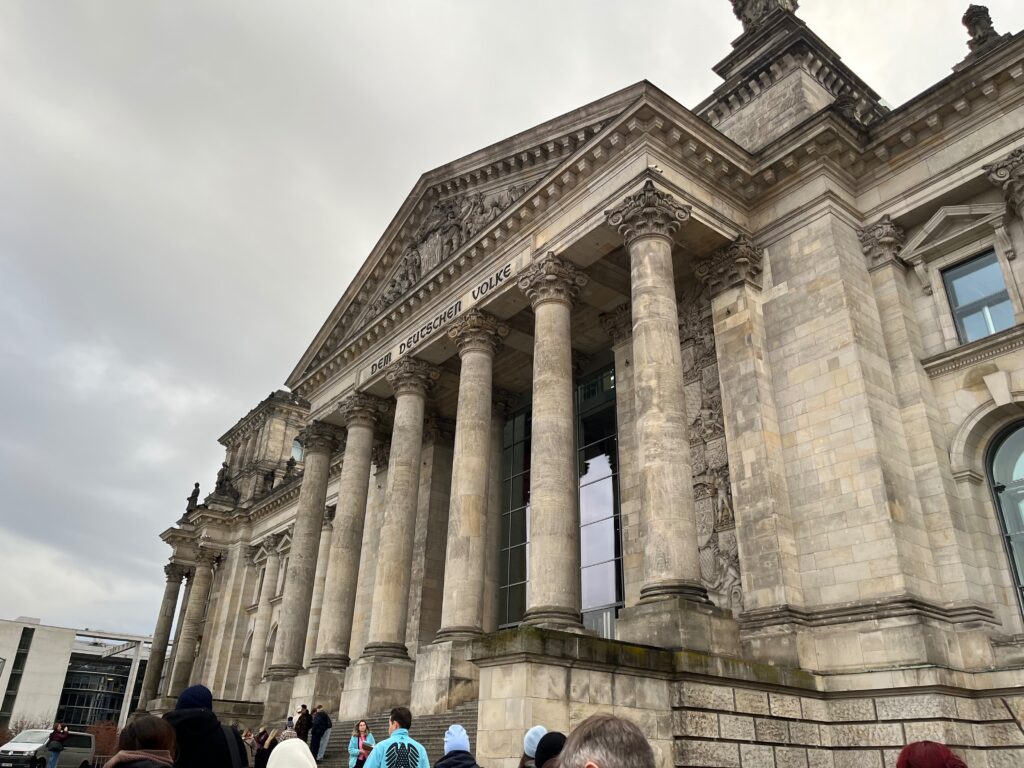
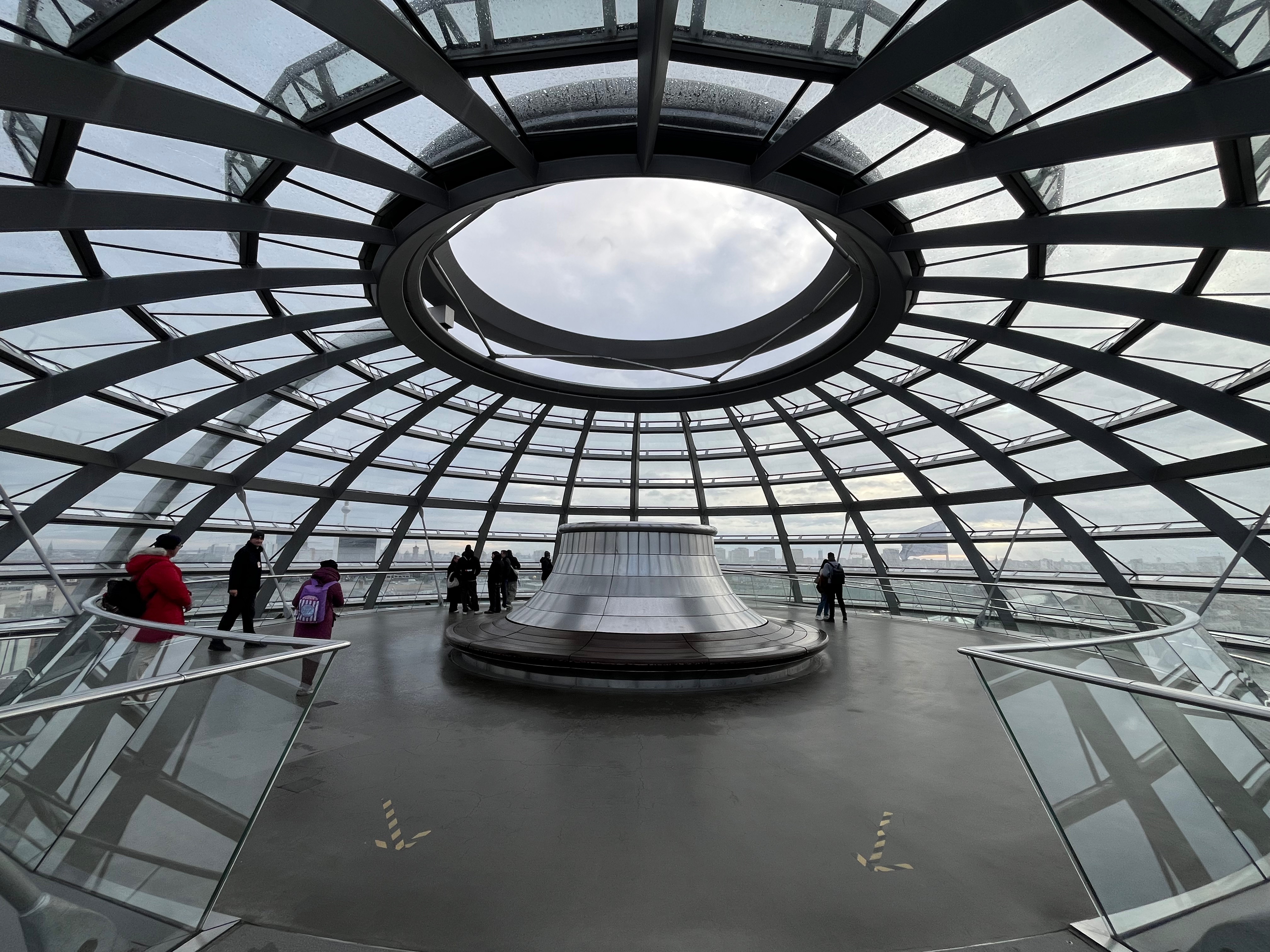
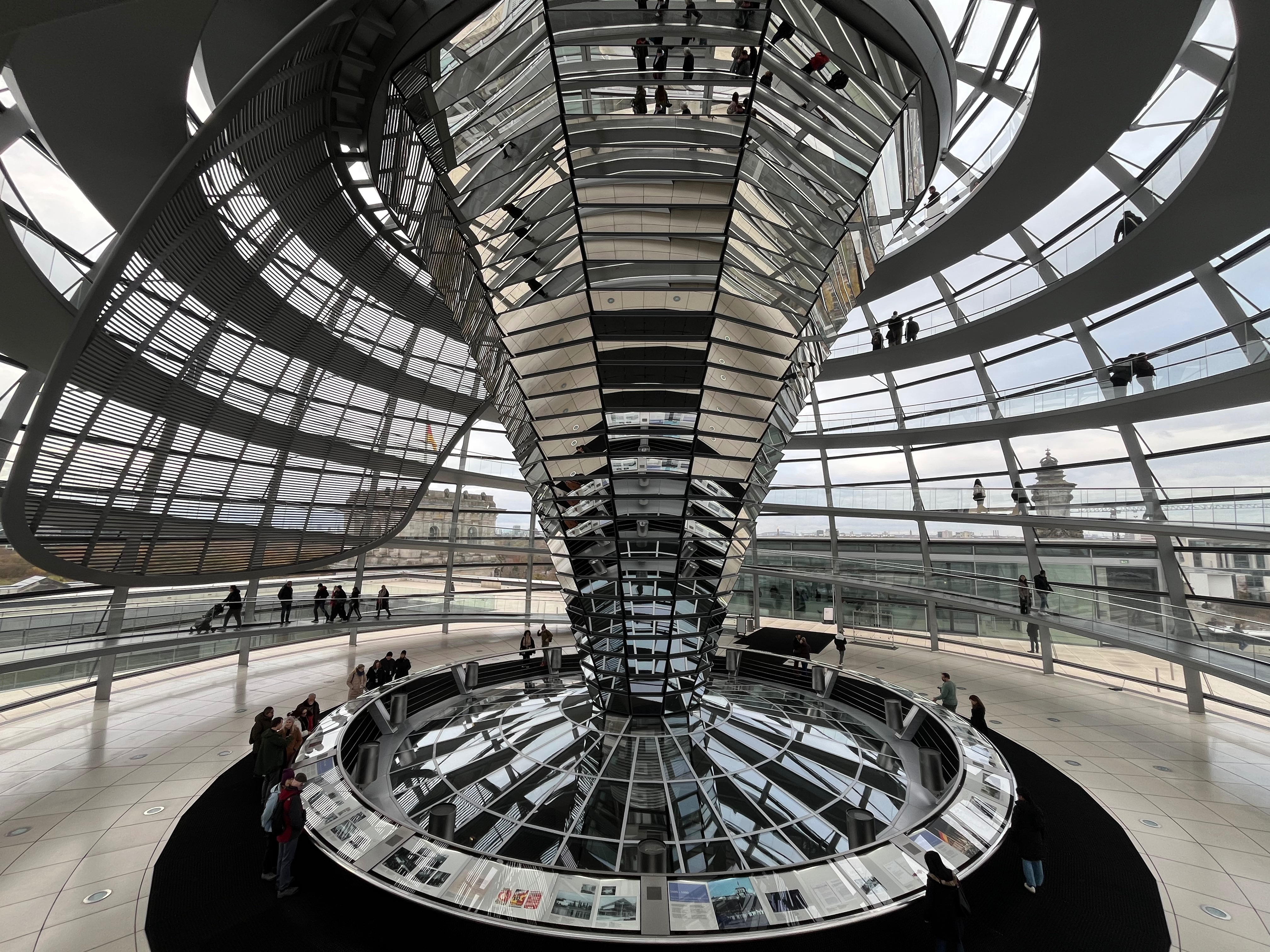
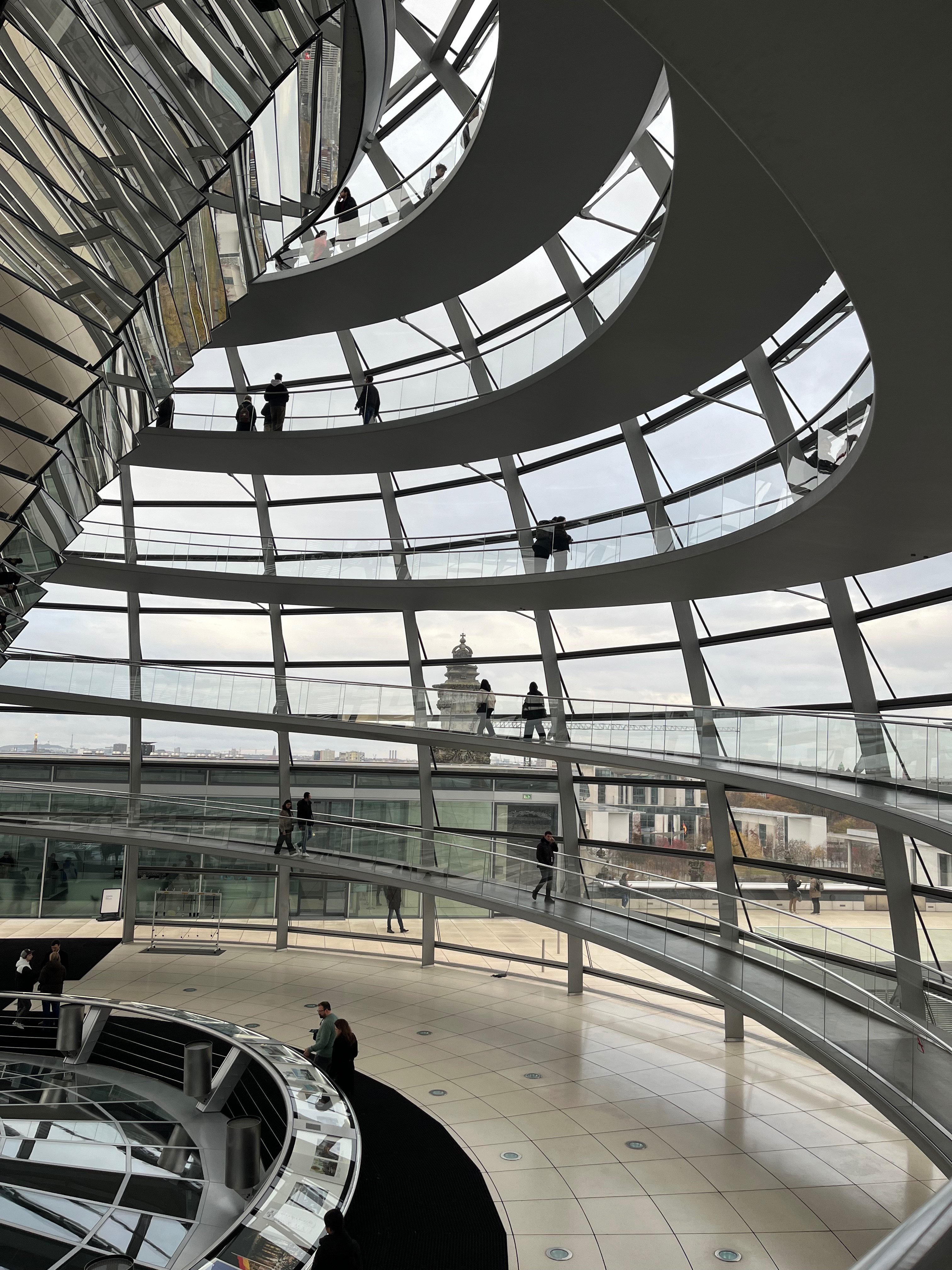
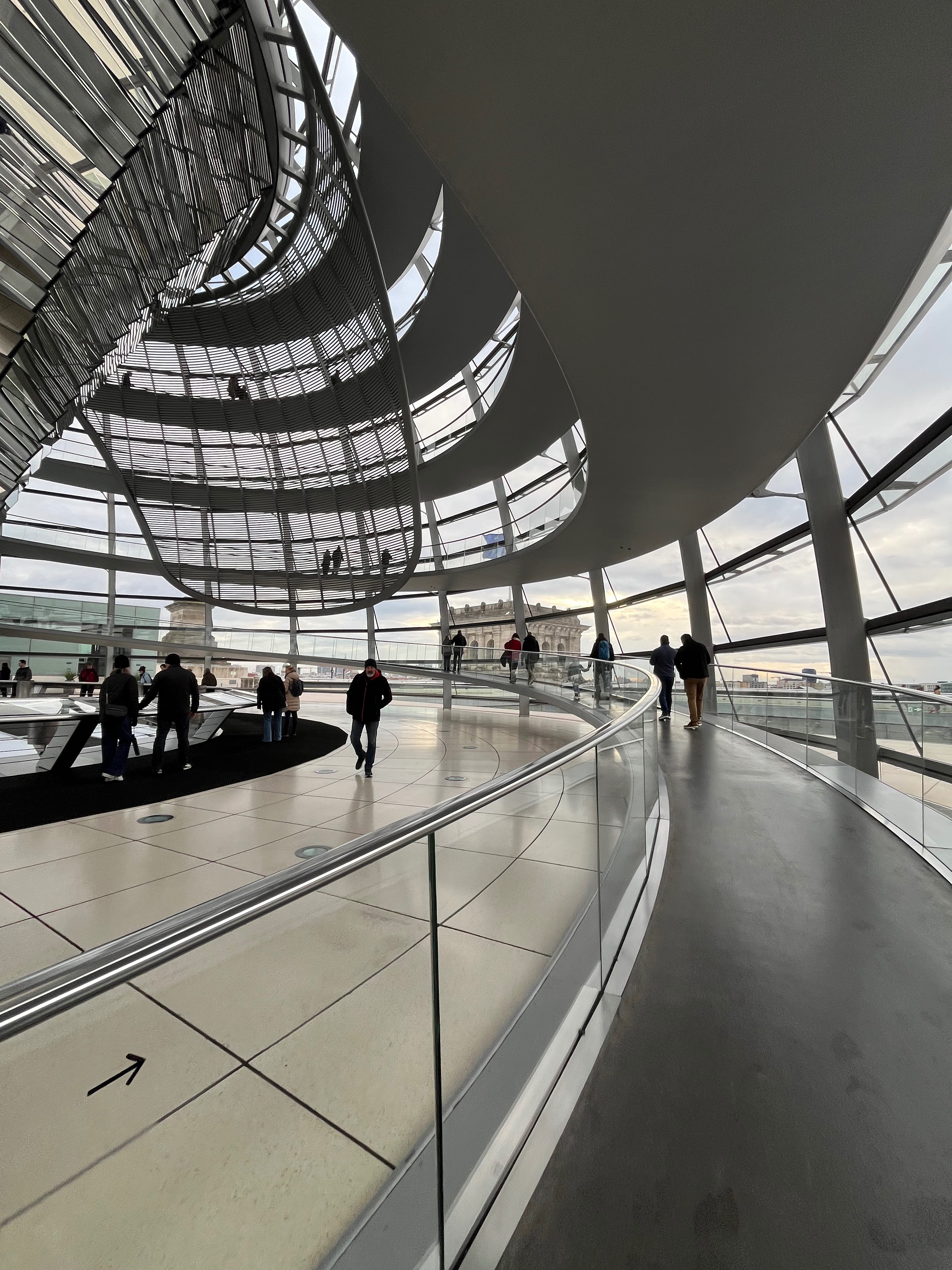
After my visit to the Bundestag, I headed to Dussmann to browse the books. Then I stopped for a bite at Restaurant Nolle, tucked into a railway arch at Friedrichstraße station.
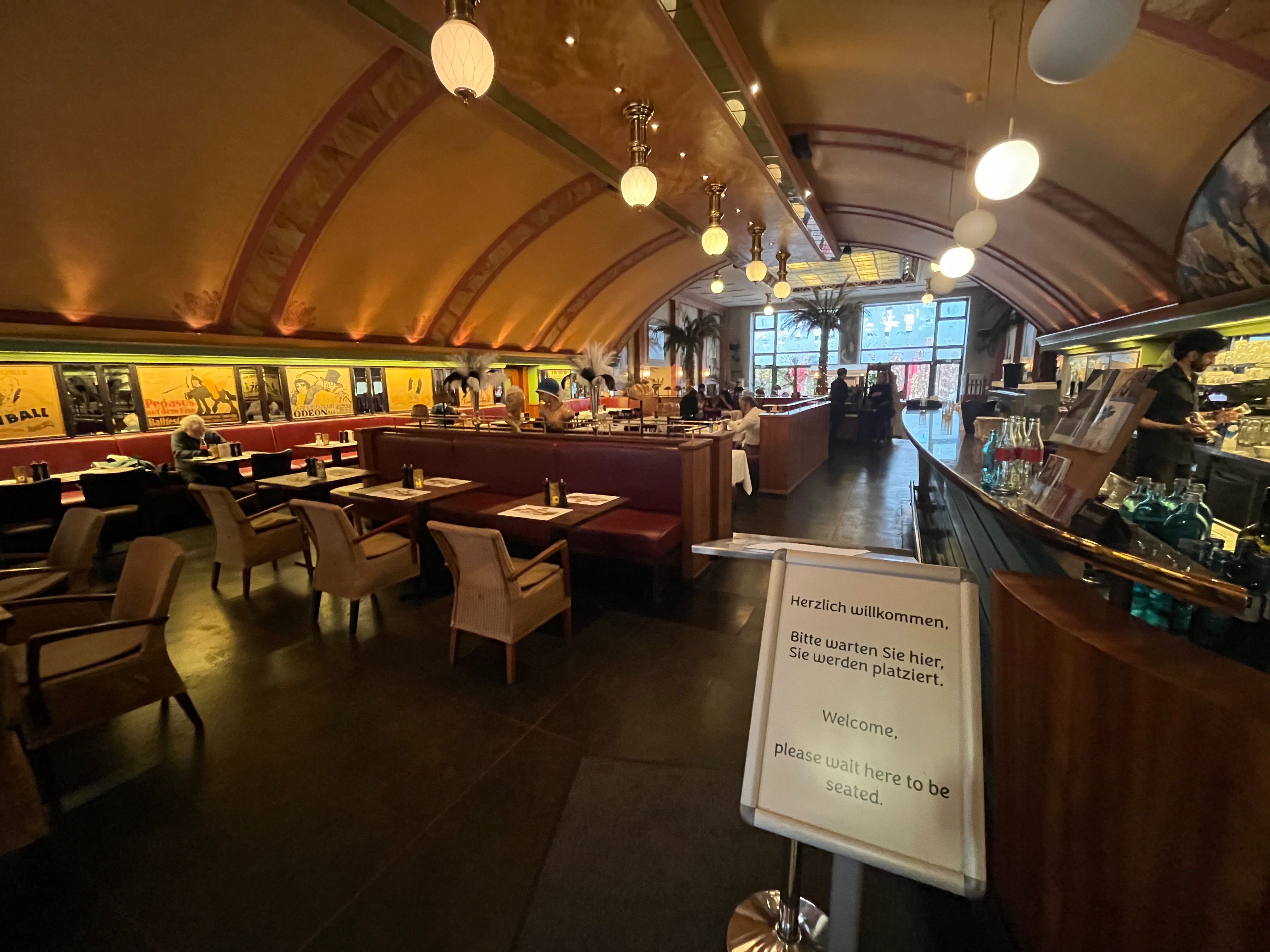
From there, I headed to the airport. And that was my long weekend in Berlin.
For those interested in the development details, I start with 1.5 ml of Rodinal diluted with water to make 500 ml, developing for two minutes. I agitate continuously for the first minute, then intermittently during the second. After a thorough water rinse, I follow with 16 minutes in POTA at 25°C. The aim is to address the spotting while retaining the low contrast and range of grey tones that POTA gives me with Copex Rapid.
POTA has an unusual military background: according to Steve Anchell’s The Darkroom Cookbook, chemist Marilyn Levy originally developed it to photograph nuclear explosions, accommodating the enormous difference in brightness between the blast and its surroundings. That ability to control contrast also makes it useful for high-contrast microfilms such as Copex Rapid. Its formula is surprisingly simple: just two powders, sodium sulphite and phenidone, which I mix myself by dissolving the sulphite in water first, then adding the phenidone.
Leave a Reply